Pawsome-Specializing in vet health products since 2015

Inquiry
Form loading...

Who Are the Best Mini Saw Manufacturers in China?

Choosing a Mini Saw manufacturer in China takes more than comparing prices or polished product photos. Buyers need to understand how each supplier designs, tests, and supports its tools. A compact saw may look similar across catalogs, yet differ in motor performance, blade compatibility, guarding, and fit-and-finish. Small details matter. A loose adjustment knob or an unclear manual can quickly affect daily work.

This guide considers manufacturers through practical criteria: product range, engineering capability, quality-control procedures, customization options, and after-sales communication. It also highlights what buyers can verify, such as sample performance, component specifications, inspection records, and warranty terms. These checks are more useful than bold claims alone. Supplier information can change, and a company that suits one project may not suit another. That point is easy to overlook.

The aim is not to present a universal winner, but to help readers compare manufacturers with clearer questions. Ask how the saw performs on the materials you actually cut. Confirm what accessories are included, how replacement parts are obtained, and whether technical documents match the delivered model. A short sample test can reveal issues that a catalog cannot. Still, no checklist replaces careful judgment. The best choice is the supplier whose capabilities, communication, and documented quality match your intended use and expectations.
Who Are the Best Mini Saw Manufacturers in China?

What Defines a Mini Saw and Its Main Types

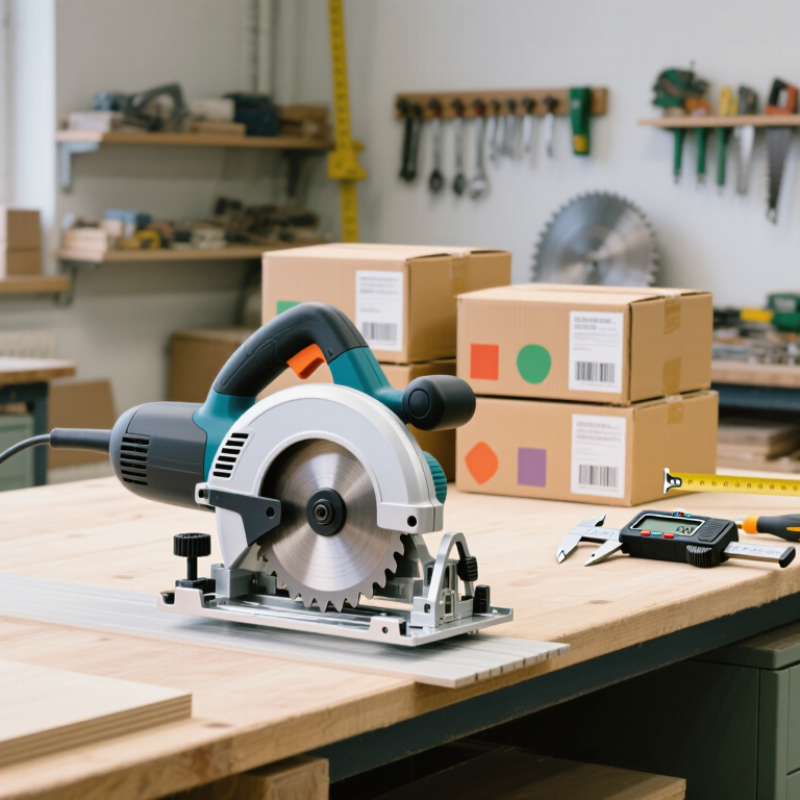
A mini saw is a compact powered saw designed for controlled cuts in tighter spaces than many full-size tools can reach. The term has no single universal size limit, so check blade diameter, cutting depth, weight, and intended materials rather than relying on the label alone. That matters. A tool that feels light in the hand may still struggle with thick stock or dense wood. Look for a stable base, a clear guard, and a grip that stays comfortable during repeated cuts.

Common types include mini circular saws, compact chain saws, and small reciprocating or oscillating saws. Mini circular saws use a rotating blade and suit straight cuts in boards, panels, or trim. Compact chain saws are better suited to pruning and cutting small branches outdoors. Reciprocating models handle rougher, less precise cuts, while oscillating tools are useful for short plunge cuts and detail work. Not always. Names can vary between manufacturers. Compare the actual blade system and cutting capacity. A test cut in scrap material can reveal vibration, wandering, or poor visibility before the tool reaches a finished piece.
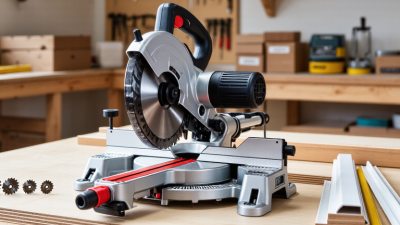
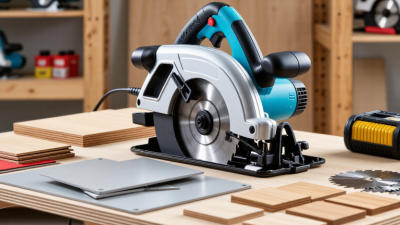
What Defines a Mini Saw? Common Types and Typical Blade/Bar Sizes

Mini saws are compact power saws designed for portability and lighter-duty cutting. Blade or bar size is one useful comparison point; the ranges below are typical examples and vary by model.

The mini circular saw and compact table saw use blade diameter; the mini chainsaw uses guide-bar length, so these measurements are not directly equivalent. When comparing manufacturers, also consider cutting depth, intended materials, safety features, availability of blades, and warranty.

How China’s Mini Saw Manufacturing Sector Is Organized

China’s mini saw manufacturing sector is organized as a network, not a single production line. Component suppliers may provide motors, switches, gears, housings, and cutting accessories. Specialized factories then assemble these parts into compact saws for different applications. The picture varies. Some manufacturers handle design and assembly in-house, while others rely on outside suppliers for key components.

Production usually involves several practical stages: incoming-part inspection, assembly, functional testing, and packaging. At a workbench, technicians may check trigger response, blade alignment, vibration, and whether the casing closes evenly. Testing methods differ between factories, so buyers should ask what is checked on each unit and what is sampled by batch. A neat showroom tells only part of the story.

Export-oriented manufacturers may also coordinate product specifications, manuals, packaging, and distributor requirements. To assess a supplier, request clear records for component sourcing, quality checks, and production capacity, then compare them with a sample unit. Small details matter. A test report is useful, but it does not replace checking consistency across multiple samples. Even organized factories can have weak spots, and paperwork may not reveal every variation in assembly.

Criteria for Comparing Chinese Mini Saw Manufacturers

Who Are the Best Mini Saw Manufacturers in China?

Criteria for Comparing Chinese Mini Saw Manufacturers

Comparing Chinese mini saw manufacturers takes more than checking prices or catalog photos. Start with your intended use: trimming thin plywood, cutting plastic pipe, or making precise hobby cuts. Ask for blade diameter, maximum cutting depth, no-load speed, and motor rating. Then request a sample and test it on your own material. A smooth cut matters. So does vibration. A saw that wanders across a marked line may waste more time than a higher-priced model.

Inspect build quality closely. Check whether the base sits flat, the blade guard returns freely, and the depth adjustment locks without slipping. Ask how each production batch is inspected, and request records for electrical, noise, and durability checks. Clear answers are useful; vague claims are not. Confirm spare blade availability, packaging protection, lead times, and how defects are handled. A factory visit can help, but it cannot replace repeat testing. I would not judge reliability from one sample alone.

Tips: Compare at least two samples under identical conditions. Record cut quality, temperature, vibration, and setup time. Small details reveal a lot. Leave room for a second test; my first impression is not always right.

Leading Chinese Mini Saw Manufacturers and Their Product Focus

Chinese mini saw manufacturers tend to focus on a few practical product families rather than making every type of saw. Some specialize in cordless pruning saws for orchard work and garden maintenance. Their compact bodies and short bars suit narrow branches, though cutting speed depends on battery capacity and wood density. Small, but capable.

Other manufacturers concentrate on mini circular saws for trim, plywood, and light renovation tasks. Product differences often show up in blade diameter, cutting depth, guide design, and dust handling. A useful comparison starts with the material being cut, not the boldest figure on a product sheet. In workshops, a steady base plate can matter more than a tiny increase in motor power.

Some factories offer several compact saw formats and support custom handles, packaging, or battery configurations. Buyers should ask for clear specifications, sample units, and test results under realistic workloads. A saw that cuts smoothly through thin board may struggle with repeated, deeper cuts. That gap is easy to miss. Supplier claims deserve careful checking, and product quality can vary between models, even within one range. A practical assessment includes grip comfort, vibration, blade replacement, and how quickly the tool heats during sustained use.

Who Are the Best Mini Saw Manufacturers in China? - Leading Chinese Mini Saw Manufacturers and Their Product Focus

The table summarizes common product specializations among Chinese mini saw manufacturers. These are industry-level profiles, not a named or independently verified company ranking. Specifications vary by model and should be confirmed with the supplier.

Manufacturer Profile Primary Product Focus Common Configuration Typical Use What Buyers Should Check
Cordless pruning saw specialists Compact, handheld battery-powered chain saws for garden and orchard work Usually a short guide bar, commonly around 4–8 inches; rechargeable battery systems vary by model Pruning branches, trimming shrubs, and cutting small-diameter wood Bar length, chain replacement availability, battery capacity, guard design, and safety instructions
Power-tool platform manufacturers Mini saws designed to share a battery platform with other cordless tools Battery voltage and compatibility depend on the platform; some models are sold as tool-only units Home gardening and light maintenance where users already own compatible batteries Battery interchangeability, charger inclusion, cell configuration, and runtime test conditions
OEM/ODM export manufacturers Private-label mini saws and customized packaging or accessories for importers Configurations can include different bar lengths, battery kits, chargers, and accessory bundles Retail programs, online sales, and distributor product lines Factory audit, sample consistency, traceability, lead times, warranty terms, and applicable market compliance documents
Garden equipment manufacturers Mini saws included in broader gardening and pruning tool ranges May be offered with a protective guard, hand guard, chain cover, and storage case, depending on model Residential landscaping, orchard upkeep, and seasonal yard work Ergonomics, trigger lockout, chain-brake or guard details, spare parts, and after-sales support
Compact saw and accessory producers Small saw units alongside replacement chains, guide bars, and maintenance accessories Accessory fit is model-specific; chain pitch, gauge, and drive-link count must match the saw and bar Users and distributors seeking replacement parts and serviceable product ranges Exact chain and bar specifications, parts availability, installation guidance, and compatibility labeling

Before purchasing, request the exact model specifications, product test reports, battery and charger details, spare-parts list, and documentation required for the destination market.

How Buyers Match Suppliers to Their Application Needs

A mini saw that performs well on thin plywood may struggle with dense hardwood or repeated production cuts. Buyers should describe the actual job, including material, thickness, cut length, daily operating hours, and available workspace. Small details matter. A narrow bench may require a compact footprint, while dusty work calls for effective extraction and accessible cleaning points.

Ask shortlisted manufacturers for blade diameter, cutting capacity, motor rating, speed control, and recommended duty cycle. Then request a sample unit or recorded test using your own material. Check edge quality, vibration, noise, and whether the saw holds its cutting line across repeated passes. A polished specification sheet is useful, but it cannot replace a practical trial. That assumption can be wrong.

Supplier fit also depends on service after delivery. Confirm spare-blade availability, replacement-part lead times, user documentation, and how technical questions are handled. Buyers serving several applications may need adjustable speed or compatible blade options; a single-purpose workshop may value simple setup and easy maintenance more. Compare written specifications with observed results, and record any gaps before ordering. No checklist is perfect. Even a careful test may miss problems that appear after months of use, so discuss warranty coverage and support expectations clearly.