Pawsome-Specializing in vet health products since 2015

Inquiry
Form loading...
Pawsome-Specializing in vet health products since 2015
China’s drill head industry has become a practical sourcing option for mining, construction, geothermal, and water-well contractors. Buyers now expect more than low prices. They need stable cutting performance, documented materials, predictable lead times, and responsive technical support. A serious supplier must prove these claims through production records and field feedback.
Industry data shows why this market deserves careful attention. Grand View Research reports continued growth in the global mining equipment sector, supported by deeper mines and rising mineral demand. The International Energy Agency also projects strong growth in clean-energy mineral requirements under current policy scenarios. These trends increase pressure on drilling productivity and consumable life. Even a small improvement in penetration rate can reduce machine hours, fuel use, and replacement delays.
This guide introduces China’s top 10 drill head manufacturers for global buyers. It considers product range, manufacturing capability, quality control, customization, export experience, and after-sales support. Standards and test methods matter. So do real operating details, such as bit wear in fractured granite or thread damage during transport.
No ranking is perfect. Supplier information changes, and published claims may not reflect every jobsite. That limitation matters. Buyers should verify certifications, inspect samples, request performance data, and compare total operating cost. A strong Drill Head supplier should explain where its design works best, where it may fail, and how quickly it can respond when conditions change. This practical approach supports safer decisions and more reliable international procurement.
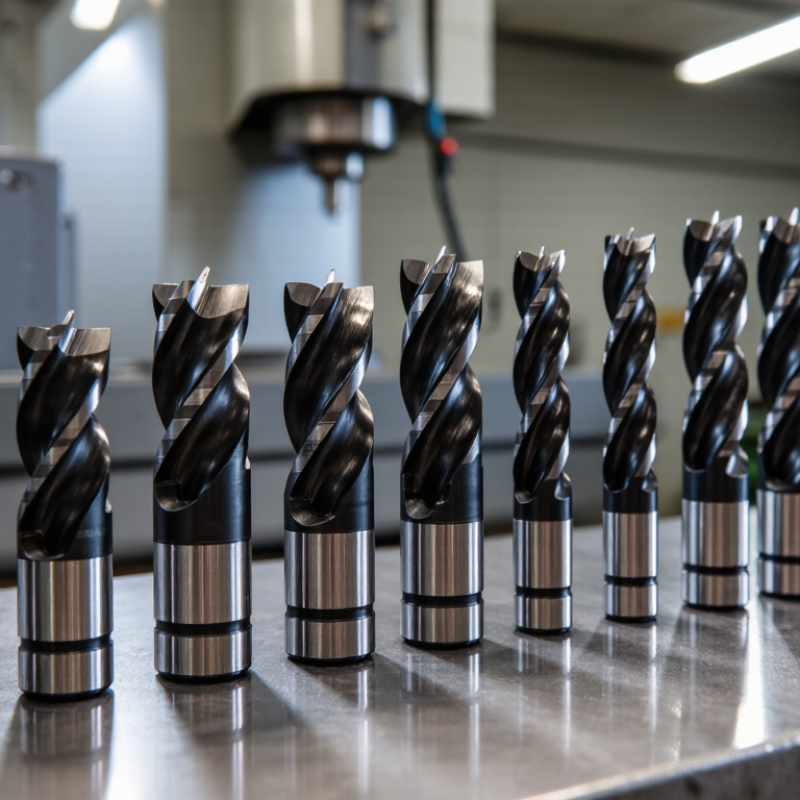
For global buyers comparing China’s top drill head manufacturers, product names matter less than working conditions. A drill head transfers torque, pressure, and rotation into the material. Its design affects drilling speed, hole accuracy, tool life, and operator safety. Common types include rotary heads, hammer heads, core heads, and specialized heads for hard or abrasive surfaces.
Each application demands a different configuration. Mining projects may require strong teeth, sealed bearings, and stable performance under dust. Construction drilling often values precise alignment and reduced vibration. Water-well work can require corrosion resistance and reliable debris removal. In factories, drill heads support CNC systems, foundation equipment, and automated production lines. Small details matter, such as shank size, cooling channels, thread accuracy, and replacement-part availability.
I have seen buyers choose by price alone. That decision often fails. A lower-cost head may create excessive heat or uneven holes. Ask for material certificates, dimensional reports, load-test records, and sample results from comparable materials. Check how the manufacturer controls heat treatment and final inspection. Field trials remain important, because laboratory data cannot reproduce every soil layer or worksite habit. I still consider service response an engineering factor, not merely a sales issue. A delayed seal or incorrect adapter can stop an entire shift. Testing should include torque, vibration, temperature, wear, and fit under realistic operating conditions.
Manufacturer-neutral comparison of common drill head types, operating methods, materials, and industrial uses
| No. | Drill Head Type | Cutting or Breaking Principle | Typical Materials | Common Size Range | Main Industrial Applications | Primary Advantage | Important Selection Factor |
|---|---|---|---|---|---|---|---|
| 1 | Twist Drill Head | Rotating helical flutes shear material and evacuate chips. | Carbon steel, stainless steel, aluminum, brass, wood, and plastics. | Approximately 0.5–80 mm, depending on construction and machine type. | General metalworking, maintenance, automotive repair, fabrication, and machine-tool operations. | Versatile, widely available, and suitable for through-holes and blind holes. | Point angle, flute geometry, coating, workpiece hardness, cutting speed, and coolant. |
| 2 | Carbide-Tipped Masonry Drill Head | A carbide insert crushes and removes brittle mineral material, often with hammer action. | Concrete, brick, block, stone, and mortar. | Approximately 3–50 mm for handheld and rotary-hammer tools. | Construction, electrical and plumbing installation, anchoring, and building renovation. | Effective for fast drilling in masonry and moderate-strength concrete. | Required shank system, hammer compatibility, carbide quality, and reinforcement density. |
| 3 | Diamond Core Drill Head | Diamond segments grind an annular path while retaining a central core. | Reinforced concrete, natural stone, masonry, asphalt, glass, and ceramics. | Approximately 20–1,000 mm, with larger sizes used on specialized rigs. | Concrete coring, utility penetrations, road testing, stone processing, and laboratory sampling. | Produces accurate large-diameter holes with relatively low vibration. | Wet or dry operation, diamond bond, segment height, machine power, and required hole diameter. |
| 4 | Down-the-Hole Hammer Head | A pneumatic piston delivers impact energy directly behind the bit at the bottom of the hole. | Hard rock, fractured rock, limestone, granite, and overburden. | Commonly approximately 90–400 mm, with specialized systems outside this range. | Mining, quarrying, water-well drilling, geothermal drilling, and foundation work. | Maintains effective impact energy and straightness in deep holes. | Air pressure, hammer diameter, rock abrasiveness, hole depth, and flushing efficiency. |
| 5 | Top-Hammer Rock Drill Head | Impact energy is generated at the surface and transmitted through drill rods to the bit. | Medium-hard to hard rock, concrete, and mineral formations. | Typically approximately 25–152 mm for common percussive drilling systems. | Bench drilling, tunneling, rock bolting, construction drilling, and small-scale quarrying. | High drilling speed and good portability for shallow and medium-depth holes. | Rod length, impact frequency, bit button layout, rock strength, and hole deviation control. |
| 6 | Tricone Roller-Cone Head | Three rotating cones use teeth or inserts to crush, gouge, and shear the formation. | Soft claystone, sandstone, shale, limestone, and hard formations, depending on cutter design. | Approximately 76–660 mm in many drilling applications. | Oil and gas drilling, water wells, mining blast holes, and large-diameter foundation drilling. | Adaptable to a broad range of formations through tooth and bearing configurations. | Formation hardness, bearing design, tooth or insert type, weight on bit, and hydraulic cleaning. |
| 7 | PDC Drill Head | Fixed polycrystalline diamond cutters shear formation continuously without rotating cones. | Shale, sandstone, limestone, salt, and other relatively uniform formations. | Approximately 90–500 mm for common drilling sizes. | Oil and gas wells, geothermal wells, mining, and directional drilling. | High penetration rates, long cutting life, and efficient continuous cutting in suitable formations. | Cutter layout, hydraulic design, vibration control, formation abrasiveness, and impact risk. |
| 8 | Auger Drill Head | Helical flights cut and convey loose material from the hole. | Soil, clay, sand, gravel, compost, grain, and other unconsolidated materials. | Approximately 50–1,200 mm, depending on equipment and application. | Agriculture, soil sampling, fencing, landscaping, piling, and environmental investigation. | Efficient spoil removal and simple operation in loose ground. | Flight pitch, cutting edge design, torque capacity, soil condition, and required drilling depth. |
| 9 | Step Drill Head | A series of progressively larger cutting steps creates multiple diameters in thin material. | Sheet steel, stainless steel, aluminum, copper, and plastics. | Commonly approximately 4–40 mm in one tool. | Electrical panels, HVAC installation, sheet-metal fabrication, automotive work, and maintenance. | Creates several hole sizes with reduced tool changes and minimal burr formation in thin sheet. | Maximum material thickness, step increments, coating, spindle speed, and heat control. |
| 10 | Reaming Drill Head | Multiple finishing edges remove a small amount of material to improve hole size and surface quality. | Steel, cast iron, aluminum, bronze, and engineered plastics. | Approximately 2–100 mm for common machine and hand-reaming operations. | Precision machining, hydraulic components, engine parts, bearing seats, and assembly preparation. | Improves dimensional accuracy, roundness, and surface finish after a pilot hole is drilled. | Allowance for reaming, tolerance grade, material ductility, alignment, and cutting fluid. |
Note: Size ranges are representative industry ranges rather than limits for every tool. Actual performance depends on the drill head design, machine power, workpiece or formation characteristics, operating parameters, and cooling or flushing method.