Pawsome-Specializing in vet health products since 2015

A Mini Saw can make a careful cut where a full-size saw feels awkward. It can also disappoint when the blade, power, or grip does not suit the job. Choosing well starts with the material in front of you: thin plywood, trim, plastic, or small branches all place different demands on a saw. Picture a narrow shelf panel on a workbench. A compact tool may be easier to guide, but only if its cutting depth and blade match the panel.
For this guide, fictional tool-selection specialist Jordan Lee offers this reminder: “Choose for the cut you make most, not the feature list you admire.” It is a useful principle, not a verified quotation from a real industry professional. Think about how often you will use the saw, whether you need a cord or battery, and how steady the handle feels in your hand. Check blade availability, safety features, and the manufacturer’s stated cutting capacity. Small details matter.
There is no perfect pick. A light model may feel nimble, yet struggle with thicker stock; a more powerful one may be tiring in tight spaces. That trade-off deserves a second look. The sections ahead compare saw types, key specifications, comfort, safety, and value. They will help you match a Mini Saw to real tasks—not just a polished product photo. Before buying, be honest about your materials, your workspace, and your experience. That small pause can prevent an expensive mismatch.
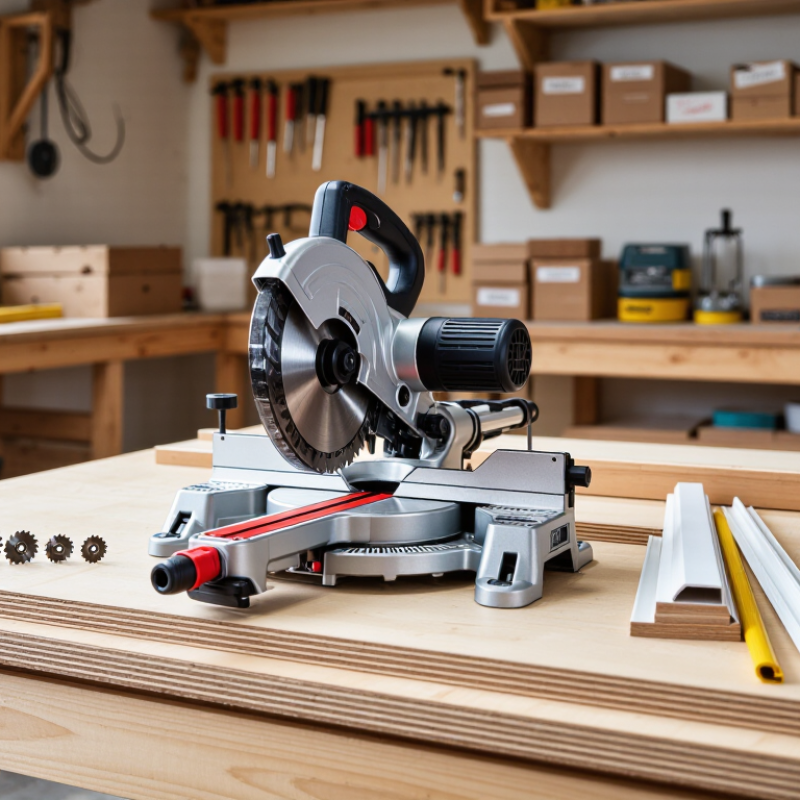
Choosing a mini saw starts with the actual cuts, not the tool’s size. List the materials, their thickness, and the cut shapes you need. Are you trimming thin plywood, shortening plastic pipe, or making small notches in solid wood? A narrow blade may suit tight corners, while a deeper cut needs adequate cutting capacity. Also consider whether the workpiece can be clamped securely. Wobbly stock makes even a capable saw difficult to control.
For wood projects, distinguish rough cuts from visible finish cuts. USDA Forest Products Laboratory’s Wood Handbook (FPL-GTR-282, 2021) documents substantial species differences in shrinkage; many listed woods shrink about 6–12% tangentially and 3–6% radially from green to oven-dry. That variation is a reminder that wood movement and grain can affect fit. It does not tell you which saw to buy, but it helps explain why a clean edge and careful measurement matter. Tiny cuts matter. A blade that handles a shelf notch may still be awkward for repeated, precise trim cuts.
Tips: Before choosing, measure the thickest material and the tightest turn. Check the saw’s stated cutting depth and blade type against both. If dust control or overhead access is part of the job, account for that too. Dust changes everything. Try the saw on scrap of similar material when possible; one test cut can reveal vibration or a rough edge that specifications do not.
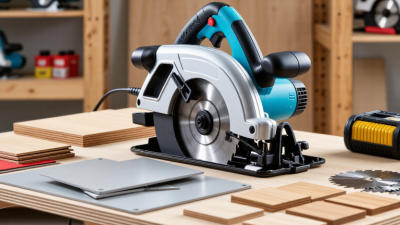
These examples show the approximate material thickness involved in common cutting tasks, not the cutting capacity of any particular saw. Measure your materials and check the saw’s stated cutting depth and compatible blade before choosing a tool.
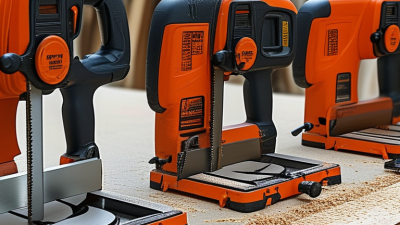
Mini saws are not one tool type. A compact circular saw suits straight cuts in plywood, laminate, or thin boards. Its small base can help in tight spaces, but the blade depth still limits how thick a piece it can cut. Check the depth setting against your material before switching it on.
A rotary tool with a small saw attachment is better for light trimming and craft work. It offers control on narrow pieces, though it may cut slowly through dense wood. Slow is often safer.
An oscillating multi-tool is useful for flush cuts, notches, and awkward repairs near a wall or floor. Its short blade works well where a circular saw cannot fit, but it is less suited to long, clean cuts. Small hand saws need no battery or cord and can handle delicate branches, trim, or model materials. They take more effort, of course.
I would compare the cut you need, the material, and the available clearance before choosing. A blade designed for wood may perform poorly on plastic or metal, so match the blade to the job. Hold the workpiece firmly, keep fingers clear of the cutting path, and wear eye protection. It’s easy to overlook dust. Mini saws can still throw chips, especially when cutting brittle sheet material.
A mini saw is easiest to choose when you begin with the material and cut size. Start with the blade: coarse teeth clear soft wood quickly, while finer teeth can leave a neater edge on trim. For thicker branches or boards, check the saw’s stated cutting capacity rather than judging by its compact shape. A small tool can still struggle when the blade is too short or the material shifts during a cut.
Tips: Match the blade to the material, and check that replacement blades are easy to find. Clamp the work securely. Test on scrap first.
Power and runtime matter just as much. A corded model can provide steady power near an outlet, while a battery-powered saw is easier to carry between jobs. Compare battery capacity and any published runtime, but treat runtime figures as estimates: dense wood, pressure, and blade condition can change them. In use, let the blade do the work instead of forcing it; a slowing motor may signal excess pressure or a dull blade. I have found that a comfortable grip matters more than expected, though comfort is hard to judge from specifications alone. If possible, hold the saw before buying. Pay attention to vibration and how clearly you can see the cutting line.
| Mini Saw Type | Blade or Bar | Power to Compare | Typical Cutting Capacity | Runtime Considerations | Best Suited For | Check Before Buying |
|---|---|---|---|---|---|---|
| Compact circular saw | Usually a 3–4 in (76–102 mm) circular blade | Typically corded or cordless; cordless versions commonly use an 18–20 V battery platform | Often about 1–1¼ in (25–32 mm) depth of cut at 90°. Capacity decreases for angled cuts. | Battery runtime depends on battery capacity, material, cut depth, and feed rate. Compare battery amp-hours (Ah) and availability of spare packs. | Straight cuts in plywood, boards, laminate, and other sheet or trim materials | Confirm the maximum depth of cut, bevel range, blade bore, and whether the required blade is included. |
| Compact reciprocating saw | Commonly accepts short reciprocating-saw blades; blade length and tooth design vary by material | Corded or cordless; cordless versions are commonly in the 12–20 V range | There is no single standard capacity: practical cut size depends on blade length, material, and access. | Frequent, aggressive cutting can drain a battery quickly. A larger Ah pack generally provides more energy but adds weight. | Demolition, flush cutting, and irregular cuts in wood, plastic, or metal with the correct blade | Check blade-change compatibility, stroke length, variable-speed control, and whether the tool can be used one-handed safely. |
| Mini cordless chainsaw | Typically a 4–8 in (102–203 mm) guide bar | Usually battery-powered; many models use an 18–20 V system. Voltage alone does not indicate runtime. | Designed for branches and small wood. The bar length is not a guaranteed maximum safe cutting diameter. | Runtime varies with wood hardness, branch diameter, chain sharpness, and battery capacity. Check the maker’s stated test conditions. | Pruning and cutting small branches where a larger chainsaw is unnecessary | Look for a chain brake or hand guard, low-kickback chain, tool-free tensioning, and clear safety instructions. |
| Powered pruning saw | Often a short reciprocating blade or a small chainsaw-style bar, depending on design | Commonly cordless; compare battery voltage and Ah capacity within the same battery system | Capacity is model- and blade-dependent. Use the stated maximum branch diameter as a guide, not a substitute for safe technique. | For occasional garden cuts, one charged pack may be sufficient; extended work may require a spare battery. Actual runtime varies substantially. | Garden maintenance, pruning, and cutting smaller limbs | Match the blade or chain to the branch size, check replacement-part availability, and use eye and hand protection. |
Selection tip: Choose the saw by the material and cut you make most often. Published capacity and runtime figures are not standardized; compare manufacturer specifications using the same battery size and similar test conditions. Wear appropriate protective equipment and follow the tool’s safety instructions.
When comparing mini saws, look beyond cutting speed. Check for a trigger lock, a guard that moves freely, and a clear way to stop the tool. The guard should cover the blade when it is not cutting. A safety feature is only useful if you can operate it without shifting your grip. Read the manual before use; small saws can still cause serious injury.
Handling matters just as much. Hold the tool as you would during a real cut, with the battery fitted, and notice whether the balance pulls your wrist forward. A textured grip helps when hands get dusty, but it cannot make an awkward tool comfortable. Try reaching the controls while keeping both hands in safe positions. Short test. Useful insight.
Maintenance needs vary with the blade and cutting material. Check how easily you can inspect or replace the blade, clear dust, and access any tensioning parts. If upkeep requires tiny tools or steps you are likely to forget, that is worth weighing honestly. A spec sheet makes this choice look simpler than it is; your usual work area, storage space, and willingness to clean the tool also matter.
Choose a mini saw by matching its capacity to the jobs you actually do. For occasional pruning or small repairs, a lighter model may be easier to control and store. If you cut thicker branches or make repeated cuts, check the stated cutting capacity and motor rating before comparing prices. A low price can be tempting. But a tool that stalls on your usual material wastes time.
Your working conditions matter just as much. In a small shed, a compact saw with a comfortable grip may be more useful than a heavier model with extra power. For outdoor work, consider battery runtime, charging time, and whether you can safely keep spare batteries dry. Check the saw’s weight while holding it at the angle you expect to use. A few minutes of handling can reveal awkward balance.
Budget for more than the saw itself. Replacement chains or blades, sharpening, batteries, and protective equipment can change the real cost. Read the manual for compatible parts and maintenance intervals; do not assume every mini saw uses the same accessories. If you work overhead or in cramped spaces, pause and reconsider whether a hand saw is safer. I would not choose by advertised cutting speed alone. It sounds decisive, but control and fit are harder to measure.