Pawsome-Specializing in vet health products since 2015

Inquiry
Form loading...
Pawsome-Specializing in vet health products since 2015
Choosing a Small Wire Cutter is less about its size than the work it must handle. Thin electronics leads, craft wire, and cable ties each place different demands on the jaws. A compact tool should feel controlled in your hand, cut cleanly, and match the wire types listed by its maker. Look closely at jaw shape, cutting-edge hardness, handle grip, and whether the cutter makes flush or angled cuts. Small details matter. A jaw that looks precise may still leave a rough end.
For a transparent expert perspective, this guide uses an editorial composite rather than a verified industry quotation. Fictional tool-design specialist Dana Mercer puts the core idea this way: “Choose for the wire you cut most, not the tool that looks smallest.” That is a useful test, though real needs vary. Check the product’s stated capacity before buying, and consider how the handles feel after repeated cuts. If possible, try the tool on scrap wire first. Notice whether the cut takes steady pressure or makes your fingers strain. Buyers sometimes focus too much on compact dimensions; I have to remind myself that comfort and suitable capacity matter more. This guide compares common cutter styles, explains key features, and highlights trade-offs worth checking before you choose. No cutter is best for every task.
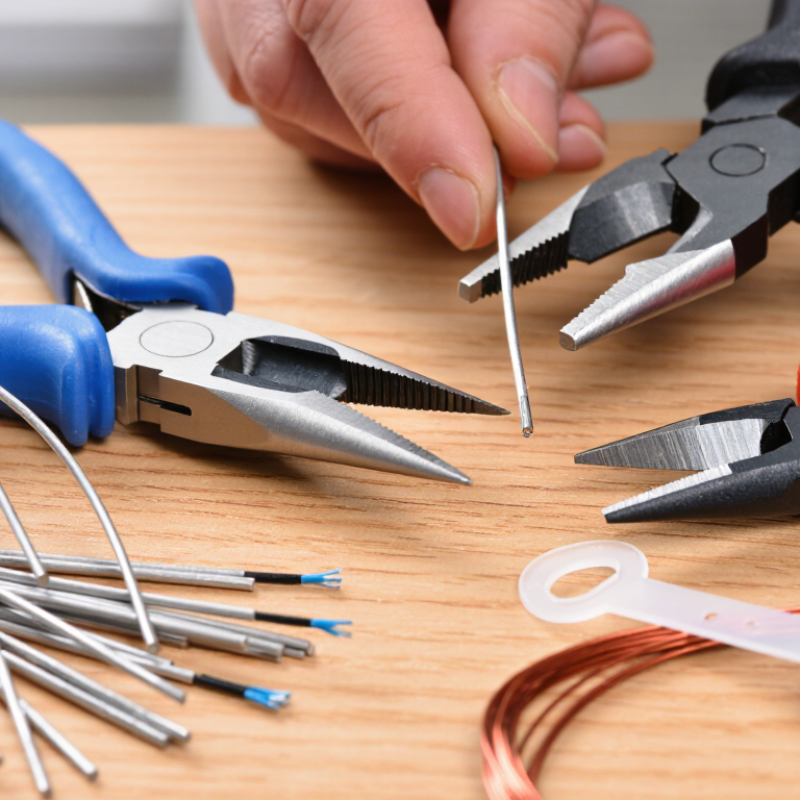
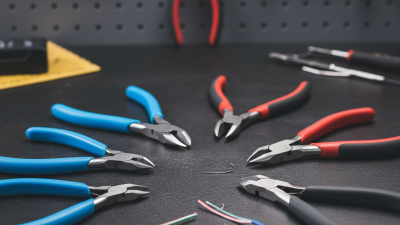
A small wire cutter is a compact hand tool with short handles, a central pivot, and two sharpened jaws. Its narrow head can reach into crowded spaces, such as a small electronics enclosure or a tight wiring channel. “Small” describes its size, not the thickness of wire it can safely cut. That limit matters.
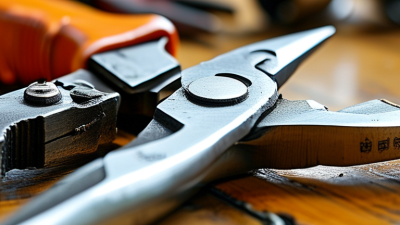
When the handles close, the pivot transfers hand pressure to the cutting edges. The jaws meet and shear the wire, much like sturdy scissors cutting a firm stem. Short handles make the tool easy to control, but they provide less leverage than larger cutters. A clean cut depends on matching the cutter’s rated capacity to the wire’s material and diameter. Copper and harder metals do not place the same demands on the edges.
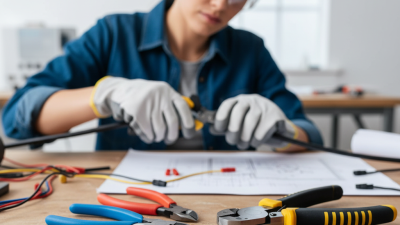
Look closely at the jaw shape. Angled jaws suit general snipping, while flush-cut styles leave a flatter end near a surface. Check that the pivot moves smoothly and the edges meet without a visible gap. I would not assume insulated handles make a cutter safe for energized wiring; disconnect power and verify the circuit first. That distinction is easy to overlook. A tiny tool can also pinch skin or send offcuts flying, so keep fingers clear and wear eye protection when needed.
A small wire cutter is a compact hand tool designed to sever wire using sharpened jaws and a pivot. “Small” has no universal industry size standard, and cutting capacity depends on the tool’s design, material, and wire hardness.
| Cutter Type | How It Works | Best Suited For | Cut Finish | Key Limitation | What to Check Before Buying |
|---|---|---|---|---|---|
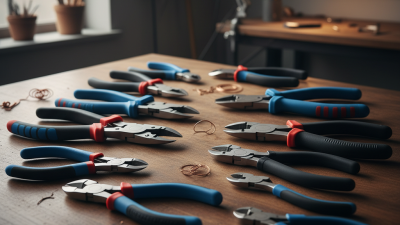
| Compact diagonal cutter | Angled cutting edges close together as the handles are squeezed, using the pivot to multiply hand force. | General-purpose cutting of suitable soft wire, such as copper conductors and small craft wire. | Usually leaves a diagonal cut; the cut end may have a small point or burr. | Not intended for hardened steel, piano wire, or wire thicker or harder than the tool’s stated capacity. | Look for a clear capacity rating by wire type and hardness, comfortable handles, and jaws that meet evenly. |
| Flush cutter | One jaw face is flat while the opposite edge is beveled, allowing a close cut against a surface. | Small soft wire, component leads, and fine craft or electronics work when a close finish matters. | One side can be cut nearly flush; the other side may retain a slight angled edge. | Fine cutting edges can be damaged by hard or oversized material. | Check the manufacturer’s material limits and whether the cutter is intended for delicate, close-to-surface work. |
| End-cutting nipper | Cutting edges meet across the end of the jaws, so force is applied from the front rather than from the side. | Trimming short protruding ends, pins, and accessible soft wire. | Can trim close to a surface when the jaw shape has room to reach the work. | Its end-facing jaws may be less convenient for long wire runs or cuts in tight side-access spaces. | Compare the jaw profile, access angle, and rated cutting capacity with the position of the intended cut. |
| Compact cable cutter | Curved or shaped blades support a cable while the handles drive the blades through it. | Flexible stranded electrical cable within the tool’s stated size and material limits. | Designed to help produce a more controlled cut through stranded cable than a general small diagonal cutter. | Not every compact cable cutter is suitable for solid wire, steel cable, or every cable construction. | Match the tool rating to conductor material, cable construction, and outside diameter; check whether the cut is specified to avoid crushing. |
| How to assess size and capacity | “Small” generally describes a compact form intended for portability, fine work, or access in restricted spaces; it does not guarantee a particular cutting capacity. | Choose based on the actual wire and working space, not the tool’s overall size alone. | Cut quality depends on sharp, aligned jaws and using the correct cutter for the material. | Wire diameter alone is not enough: hardness and construction also affect the force required and the risk of damage. | Use the stated capacity chart, keep fingers clear of the jaws, and do not exceed the tool’s rating or use it as a pry tool. |