Pawsome-Specializing in vet health products since 2015

Inquiry
Form loading...

How to Choose the Right Wire Cutter Tool?

Choosing the right Wire Cutter Tool is more demanding than comparing handle colors or advertised jaw sizes. A cutter used on thin copper wire may fail quickly on hardened cable, while an oversized model can crush conductors and tire the operator’s hand. The correct choice depends on wire material, diameter, cutting frequency, access, grip comfort, and required precision. It is a small decision with practical consequences.

Industry data supports this careful approach. Grand View Research’s hand tools market analysis identifies professional durability, ergonomic design, and application-specific performance as important purchasing factors. Its findings reflect a broader shift toward tools that reduce fatigue while improving consistency. OSHA’s Hand and Power Tools guidance also emphasizes selecting the proper tool, inspecting it before use, and maintaining it in safe condition. For electrical work, IEC 60900 provides requirements for insulated hand tools used near energized systems. Certification matters. Labels alone do not.

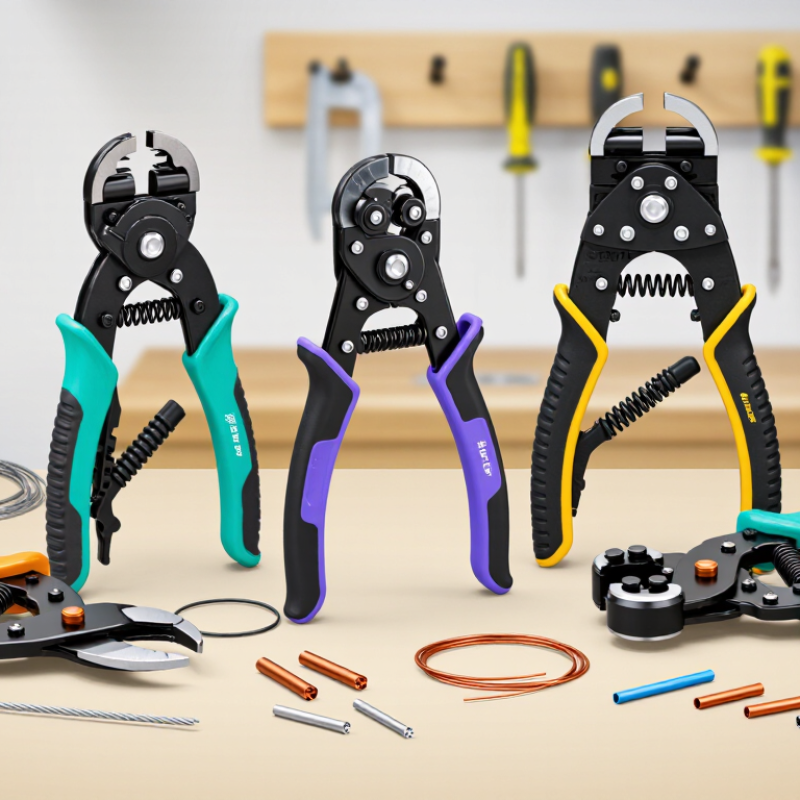
This guide will compare diagonal cutters, flush cutters, cable cutters, and compound-action designs. It will examine jaw geometry, cutting capacity, steel quality, insulation, spring action, and handle control. A useful test is simple: the jaws should close cleanly, leave minimal deformation, and remain comfortable after repeated cuts. Still, no Wire Cutter Tool suits every workshop. I have seen specifications look impressive while the grip felt awkward within minutes. That detail is easy to miss. Readers should match the tool to their actual wire, working environment, and maintenance habits, then verify manufacturer ratings before purchase.
How to Choose the Right Wire Cutter Tool?

Define the Cutting Task and Wire Types

How to Choose the Right Wire Cutter Tool?

Define the Cutting Task and Wire Types

Choosing a wire cutter starts with the job, not the tool’s appearance. Decide whether you need to cut, strip, flush-trim, or reach tight spaces. A general cutter may handle soft copper wire, but it can struggle with thick conductors or hardened steel wire. Measure twice.

Wire material and diameter determine the required cutting capacity. Copper and aluminum usually need less force than stainless steel or piano wire. Check the tool’s stated capacity before cutting. Exceeding it can damage the cutting edges and create an uneven cut. That mistake is easy to make.

The cut shape also matters. A diagonal cutter leaves an angled end, while a flush cutter produces a flatter finish. For electrical assembly, choose insulated handles and a comfortable grip to reduce hand fatigue. For repeated work, test the opening action and jaw alignment. I once selected a compact cutter for convenience, then found its short handles tiring after several dozen cuts. The choice looked efficient, but the task proved otherwise. Clean jaws, firm pivots, and clear capacity markings are practical signs of dependable construction. Avoid guessing when the wire feels unusually rigid. Use a larger tool or reconsider the cutting method.
Compare Wire Cutter Designs and Cutting Capacities

How to Choose the Right Wire Cutter Tool?

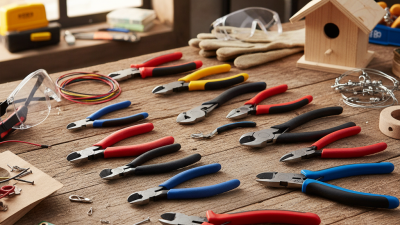
Wire cutter designs suit different jobs, so cutting capacity should guide your choice. Diagonal cutters handle common copper and aluminum wires with controlled, angled cuts. Flush cutters leave a cleaner surface but usually accept smaller diameters. End-cutting pliers approach wire from the front, which helps in tight spaces or near flat surfaces.

Cutting capacity depends on more than wire thickness. Material hardness, insulation, and repeated use all affect performance. A cutter rated for soft copper may struggle with hardened steel wire. Compound-leverage designs increase force and reduce hand fatigue, but they can feel bulky in narrow control boxes. In my workshop, I once chose a compact flush cutter for thick wire and damaged the cutting edges. The tool was not defective; my selection was careless. Check the manufacturer’s capacity chart before each demanding task.

Tips: Match the cutter to the wire material and diameter. Keep the jaws clean and lightly lubricated. Never exceed the stated capacity. Use eye protection because clipped wire ends can fly. Test the tool on a short offcut first. A comfortable grip matters, but it should not replace accurate ratings. Insulated handles help reduce accidental contact risks, though they do not make energized work safe. Recheck your choice when the wire feels unusually hard. That small pause can prevent a costly mistake.

Choose the Right Handle, Grip, and Ergonomic Features

How to Choose the Right Wire Cutter Tool?

Handle design matters as much as cutting capacity. In my workshop, a cutter with slim handles reduced wrist bending around crowded panels. The U.S. Bureau of Labor Statistics reported that musculoskeletal disorders represented about one in four private-industry days-away cases in 2022. That figure makes grip selection more than a comfort issue. It connects directly with injury prevention. NIOSH ergonomic guidance also identifies force, repetition, and awkward posture as key risk factors. Choose handles that keep your wrist straight, especially during repeated cuts.

Look for a grip that feels secure without requiring constant squeezing. Textured, slightly cushioned surfaces help when gloves, dust, or sweat reduce control. However, a softer handle is not automatically better. Excessive padding can make the tool feel unstable during precise cutting. Spring-assisted opening may reduce finger fatigue, but it can also feel slow for occasional users. I once selected a lightweight cutter that seemed ideal, yet its narrow grip caused pressure near my thumb. The first choice can still be wrong. Test the tool with your usual hand position and cutting angle.

Tips: Hold the cutter for one minute before buying. Check whether your thumb stays relaxed. Compare the handle width with your palm. Avoid models that force your fingers tightly together. For frequent work, alternate hands when practical and take brief pauses. Record discomfort early; small irritation often becomes a useful warning.

Check Material Quality, Durability, and Safety Standards

How to Choose the Right Wire Cutter Tool?

Check Material Quality, Durability, and Safety Standards

A reliable wire cutter begins with the metal used in its cutting jaws. High-quality hardened steel should resist chipping, bending, and early dulling. Look for clean, even grinding along the edges. Rough marks may suggest weak finishing or poor quality control. The handle should feel firm, not hollow or loose.

I once chose a cutter because it felt exceptionally light. That decision was not ideal. After repeated use, the jaws developed small dents near the hinge. A stronger tool may weigh slightly more, but it should open smoothly and maintain alignment. Test the joint before buying. It should move without grinding, wobbling, or excessive resistance. A return spring can also reduce hand fatigue during repeated cuts.

Safety requires more than comfortable grips. For electrical work, never cut energized wires, even when handles appear insulated. Check the stated insulation rating and read the supplied instructions carefully. Insulation should cover the handles evenly, without cracks, gaps, or exposed metal near the grip. Verify that the tool meets recognized safety requirements in your region, supported by clear test information or traceable documentation. Some product descriptions sound convincing but provide little evidence. That deserves caution. Choose a cutter sized for the wire diameter and material. Forcing undersized jaws can damage both the tool and the cable, while oversized cutters may reduce control.

How to Choose the Right Wire Cutter Tool? — Check Material Quality, Durability, and Safety Standards
Wire Cutter Type Best-Suited Applications Recommended Jaw and Blade Material Cutting Performance to Check Durability Indicators Safety Requirements Standards to Verify
Diagonal Cutting Pliers General electrical installation, maintenance work, tie wire, and small to medium copper or aluminum conductors. Hardened alloy steel or chrome-vanadium steel jaws with corrosion-resistant surface treatment. Clean cutting edges, accurate jaw alignment, and a cutting capacity clearly specified for soft and hard wire. Minimal jaw movement, smooth pivot action, secure rivet or joint, and edges that remain sharp after repeated cuts. Use insulated handles only for their marked voltage rating. Do not use ordinary cutters on energized circuits. For insulated tools, check compliance with IEC 60900 or an equivalent applicable national standard.
End-Cutting Nippers Flush cutting of nails, staples, tie wire, and protruding wire close to a surface. High-carbon or alloy steel cutting heads with properly heat-treated cutting edges. Flush-cut geometry, stable contact with the workpiece, and a capacity rating suitable for the wire diameter. Reinforced head, tight pivot, even blade contact, and no visible chips, dents, or deformation on the cutting edges. Wear eye protection because short cut-off pieces can become projectiles. Keep hands behind the cutting head. Verify that the product is tested against a recognized pliers and nippers specification, such as ISO 5749 where applicable.
Cable Cutter Large copper or aluminum power cables, flexible conductors, and multi-strand cable assemblies. Hardened alloy steel blades; ratcheting models should use a robust heat-treated cutting mechanism. Confirm the maximum cable diameter and conductor type. The blades should cut without excessive crushing or fraying. Strong frame, controlled ratchet release, replaceable blades where available, and reliable movement under rated load. Never cut cable that may be energized. Check for hidden conductors and follow the electrical isolation procedure. For electrical work, select tools with documented insulation and testing requirements appropriate to the installation.
Ratcheting Cable Cutter Thicker copper or aluminum cables that require greater mechanical advantage and controlled cutting force. Heat-treated alloy steel blades and a hardened ratchet assembly designed for the rated cable range. Complete blade engagement, smooth ratchet steps, easy release, and no excessive flattening of the cable. Low backlash in the ratchet, durable locking mechanism, corrosion-resistant components, and replaceable wear parts. Keep fingers clear of the ratchet and blade path. Do not exceed the stated cable size or material rating. Review the manufacturer’s test documentation and applicable workplace safety requirements before use.
Flush Cutter Electronics assembly, cable ties, small component leads, and precision trimming of soft wire. Precision-ground hardened tool steel with finely finished cutting edges. Very small flush profile, consistent blade meeting, and a specified capacity for copper, aluminum, or soft wire. Uniform spring return, smooth pivot, accurate blade alignment, and no light visible between closed cutting edges. Use eye protection. Do not cut hardened steel, piano wire, or materials outside the stated capacity. Check the product specification for intended material, maximum diameter, and any ESD-safe requirement for electronics work.
High-Leverage Cutter Frequent cutting of thicker wire, fencing wire, hard plastic, or other materials requiring increased mechanical advantage. Forged and heat-treated alloy steel head with a strong, accurately fitted pivot. Long-handle leverage, stable cutting action, and a capacity rating that distinguishes soft, medium, and hard wire. Forged construction, reinforced pivot area, non-slip grips, and resistance to handle flex under normal rated use. Use two-handed control when necessary and keep the tool stable to prevent sudden movement at the end of the cut. Confirm performance claims using a recognized hand-tool testing specification relevant to the tool category.
Insulated Wire Cutter Electrical installation and maintenance where the tool may be used near exposed electrical components. Hardened alloy steel cutting head with a permanently bonded, clearly marked insulating layer. Cutting capacity must match the conductor type; insulation must not obstruct the cutting edges or show damage. Secure insulation, legible voltage marking, intact guards, and no cracks, cuts, swelling, or separation in the handles. Use only after confirming the circuit is de-energized whenever possible. Insulation is not a substitute for safe isolation procedures. Look for IEC 60900 certification or an equivalent recognized standard for insulated hand tools.
Selection rule: Choose a cutter according to the wire material, maximum diameter, cutting frequency, and electrical environment. A tool’s capacity rating should never be exceeded, and damaged cutting edges or insulation should be removed from service immediately.

Match the Tool to Your Budget and Maintenance Needs

How to Choose the Right Wire Cutter Tool?

Match the Tool to Your Budget and Maintenance Needs

Choosing a wire cutter starts with your real workload, not the highest price tag. A modest cutter can handle occasional household repairs and light craft work. It may lack premium comfort, but it can still deliver clean cuts when used correctly. For frequent electrical, automotive, or workshop tasks, choose hardened cutting edges and a comfortable, non-slip grip. These features reduce hand fatigue and help maintain consistent cutting pressure.

For occasional use, inspect the pivot and cutting jaws before spending more money. Look for smooth movement, even jaw alignment, and no visible gaps when closed. Avoid paying for features you will rarely use. If you cut thicker wire regularly, a stronger tool usually saves effort and reduces premature wear. Check the tool’s stated capacity, because forcing a small cutter can damage both the jaws and your hand.

Maintenance needs also affect the total cost. Wipe the jaws after use, especially around dust, insulation, or metal particles. Add a small drop of suitable oil to the pivot when movement becomes stiff. Do not flood it. Store the cutter in a dry drawer rather than leaving it on a damp bench. I once ignored a gritty pivot, and the tool soon felt rough and uneven. That mistake changed my buying habits. Before purchase, check whether replacement parts or sharpening support are realistically available. A slightly higher upfront cost may be worthwhile when maintenance is simple and predictable.