Pawsome-Specializing in vet health products since 2015

Inquiry
Form loading...

Top Cutting Blade Manufacturers in China for Global Buyers

Choosing a Chinese supplier for Cutting Blades takes more than comparing catalog prices. A blade may look identical in a product photo, yet perform differently after hours of cutting. Steel grade, heat treatment, edge geometry, and grinding consistency all matter. Metallurgist Dr. John D. Verhoeven’s work emphasizes a useful principle: steel’s microstructure strongly affects its properties. That is why a supplier’s material controls and process records deserve close attention.

This guide introduces Chinese manufacturers serving global buyers, while recognizing that capabilities vary by factory and blade type. Some specialize in circular blades for packaging lines; others produce slitting, converting, or industrial machine knives. Ask for drawings, tolerance ranges, material specifications, and sample-testing options. Check whether the supplier can explain how it controls hardness and edge quality across repeat orders. Request clear information on packaging, lead times, and technical support, too. Small details matter. A chipped edge can stop a production line.

A polished website is not proof of dependable production. Nor is the lowest quotation a reliable measure of value. Compare samples under realistic operating conditions, and confirm that specifications match your machine and material. Buyers should also verify claims independently; this guide is a starting point, not a substitute for evaluation. Some comparisons will remain imperfect. That is worth admitting. The strongest sourcing decision usually comes from evidence gathered before a large order, not promises made afterward.
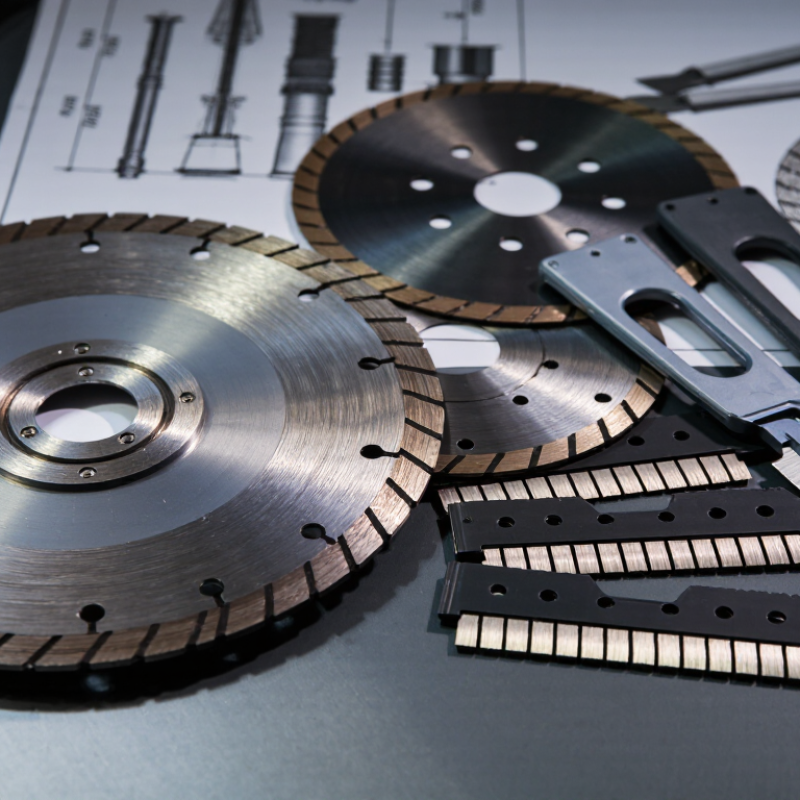
Top Cutting Blade Manufacturers in China for Global Buyers

Understanding China’s Cutting Blade Manufacturing Industry

China’s cutting blade industry serves varied needs, from packaging and food processing to woodworking and metal fabrication. Manufacturers differ in scale, equipment, material sourcing, and quality systems. A blade’s performance depends on more than its shape. Steel grade, heat treatment, grinding accuracy, and edge finishing all influence wear and cutting consistency. Buyers should compare samples under realistic operating conditions, not rely only on catalog claims. Ask for material specifications, dimensional tolerances, inspection records, and packaging details. Tiny details matter.

Production methods can vary even between factories making similar blades. Some use automated grinding and inspection, while others rely more on skilled manual checks. Neither approach guarantees consistent results on its own. Buyers can request sample batches and clarify how defects are recorded and handled. Check whether the supplier can explain its process in clear, specific terms. Documentation may look strong while batch-to-batch consistency remains uneven. That is easy to miss. Clear communication about expected service life, sharpening, and replacement needs helps prevent costly mismatches. A careful evaluation takes time, and no checklist can replace testing a blade in the intended machine.
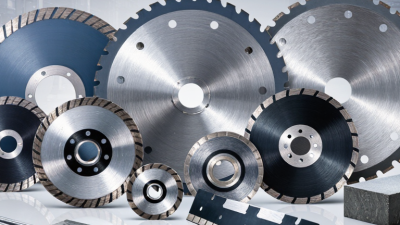
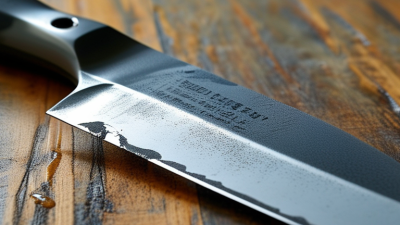
Types of Cutting Blades and Their Industrial Applications

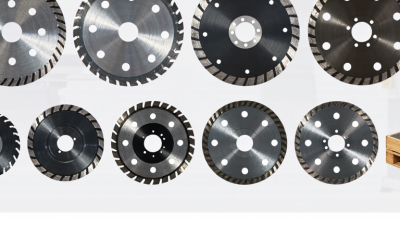
Cutting blades vary by edge shape, material, and the force they must withstand. Circular blades make continuous cuts in paper, film, and sheet materials. Slitter blades divide wide rolls into narrower strips, often in packaging and converting lines. Straight guillotine blades handle sheet stock and stacked materials. Clean edges matter.

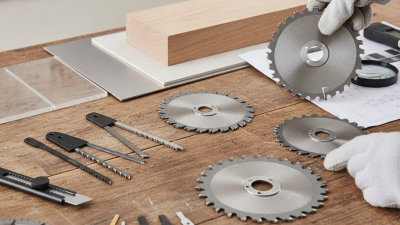
Serrated blades can grip fibrous or flexible products, while toothed designs are used for sawing wood and selected metals. In food-processing equipment, blade geometry affects portion size and product waste. For tougher stock, carbide-tipped or hardened-steel blades may resist wear, but the right choice depends on the machine, cutting speed, and material. No single blade suits every line.

Buyers should check thickness, edge angle, mounting dimensions, and sharpening requirements before ordering. A mismatch can cause vibration, rough edges, or frequent stops. The category labels are not always tidy; two blades described as “slitting” blades may differ in edge profile and intended material. Ask for material and operating specifications, then test a sample under normal production conditions. Small trials can reveal problems that a catalogue cannot.

Top Cutting Blade Manufacturers in China for Global Buyers - Types of Cutting Blades and Their Industrial Applications

An overview of common industrial cutting blade types, typical materials, and their applications. Specifications and material choices vary according to the machine, workpiece, and operating conditions.

Blade Type Typical Material Common Design or Form Typical Industrial Applications Key Selection Considerations
Circular saw blade for woodworking Steel body with tungsten carbide-tipped teeth; high-speed steel is also used for some applications Round disc with straight, alternate-top-bevel, or other tooth geometries Cutting timber, plywood, particleboard, MDF, and some plastic panels Match tooth geometry, blade diameter, bore, and tooth count to the material and saw; tooth design affects cut finish and feed rate.
Metal-cutting circular blade High-speed steel (HSS), carbide-tipped steel, or solid carbide, depending on the cutting process Precision circular disc with material-specific tooth pitch and geometry Cutting steel sections, tubes, bars, and non-ferrous metal stock on compatible saws Check workpiece alloy, section thickness, machine speed, coolant requirements, and whether the blade is intended for cold or abrasive cutting.
Band saw blade Carbon steel, bi-metal construction with HSS teeth, or carbide-tipped construction Continuous flexible band with welded joint; available in different widths and tooth pitches Cutting metal stock, structural sections, timber, and other materials on band-saw machines Choose blade width, pitch, tooth set, and material for the workpiece section and machine; correct tension and feed help reduce premature wear.
Guillotine shear blade Tool steel or alloy tool steel; grades and heat treatment depend on the material being sheared Long straight upper and lower blades, commonly ground with a specified clearance and cutting angle Shearing sheet metal and plate in fabrication and metal-processing operations Blade length, edge condition, clearance, cutting angle, and hardness should suit the shear and the sheet material and thickness.
Slitter knife Hardened tool steel, high-speed steel, or tungsten carbide Thin circular knives or rotary slitting tools, used with spacers or counter-knives as required Slitting paper, film, foil, nonwovens, and metal coil into narrower widths Consider material thickness, slit tolerance, edge finish, knife alignment, and whether the process uses shear or crush cutting.
Granulator or recycling knife Wear-resistant tool steel or alloy steel; material selection depends on the feedstock and machine design Replaceable stationary and rotating knife sets, often with straight cutting edges Size reduction of plastic scrap, rubber, wood waste, and other recyclable materials Match knife geometry and clearance to the rotor and screen; abrasive or contaminated feedstock may require greater wear resistance.
Food-processing blade Food-contact-appropriate stainless steel, selected for the application and cleaning conditions Straight, circular, band, or shaped blades for slicing, dicing, chopping, or portioning Processing meat, fish, fruit, vegetables, bakery products, and other foods Consider corrosion resistance, cleanability, edge retention, product type, and compatibility with the machine’s sanitation procedures.
Paper-converting knife Hardened tool steel or high-speed steel; carbide may be used where extended wear life is needed Rotary slitting knives, shear knives, or straight blades for converting equipment Cutting and converting paper, paperboard, tissue, and related web materials Blade profile, sharpness, runout, and alignment affect cut quality; select the edge and setup for the paper grade and converting method.
Plastic-film cutting blade Hardened stainless or tool steel; coated or carbide options may be used for specific production demands Razor-style, straight, or rotary blade formats Trimming and slitting packaging film, laminates, and flexible web materials Match blade thickness and edge geometry to film type, line speed, tension, and required cut quality; safe blade handling is essential.

Profiles of Leading Cutting Blade Manufacturers in China

China’s cutting-blade manufacturers range from specialist carbide saw producers to factories making woodworking and industrial knife blades. The National Bureau of Statistics reported that China’s manufacturing investment grew 9.2% in 2024. That signals a broad production base, but it is not blade-specific evidence. Buyers should check what each factory actually makes.

Carbide blade makers often focus on cutting metal tubes, bars, or profiles. The World Steel Association’s World in Steel Figures 2025 reports that China produced about 1,005 million tonnes of crude steel in 2024. This scale supports extensive metal fabrication demand, though it does not prove any supplier’s quality. Ask for tooth geometry, runout tolerances, and test-cut results. Small differences matter.

Woodworking blade producers typically emphasize clean cuts, tooth spacing, and resistance to heat during long runs. Industrial knife manufacturers may serve packaging or material-converting lines, where edge life and sharpening consistency affect downtime. Look for documented inspection steps and batch traceability. A polished catalogue is not enough. Factory visits or sample trials can reveal gaps between stated specifications and actual performance. Even then, results may vary with the machine, material, and operator.

How to Assess Manufacturer Quality and Production Capabilities

For global buyers, a cutting blade’s quality shows in more than a polished edge. Ask how steel grades are verified, whether heat treatment is recorded, and how hardness is checked across batches. Request inspection data for thickness, flatness, edge geometry, and runout. A clean sample matters, but it cannot prove repeatability. Look for documented controls, not confident promises.

Production capability should be tested against the order you plan to place. Confirm monthly output, lead times, minimum order quantities, and how peak-season capacity is allocated. Ask to see evidence of incoming-material checks, in-process measurements, and final inspections. When possible, compare blades from separate production lots. Small differences can reveal more than a factory tour.

Discuss customization early, including dimensions, tolerances, coatings, packaging, and acceptable defect limits. A capable manufacturer should explain what can change without affecting performance or delaying delivery. Check how nonconforming products are isolated and corrective actions are tracked. Certificates help, but they do not replace independent testing when risk is high. Be practical. Even experienced buyers can overvalue a low unit price; downtime, rework, and uneven cuts may cost more. Verify claims with a pilot order.

Export, Compliance, and Supplier Verification for Global Buyers

For global buyers sourcing cutting blades from China, export readiness starts with documents that match the goods. Check that the supplier’s registered business, factory address, invoices, packing list, and declared product details are consistent. Confirm the blade material, dimensions, hardness range, and batch identification against an approved sample.

Paperwork matters. A polished certificate alone does not prove that a factory can maintain tolerances across repeated production runs.

UNCTAD’s Review of Maritime Transport 2024 reports that shipping carries over 80% of world trade by volume, making packaging and shipment planning practical risk controls. Ask for carton dimensions, gross weight, corrosion protection, and loading photos before dispatch. Verify the proposed HS classification and origin documents with a qualified customs broker in the destination market; product descriptions can affect duties and clearance.

Requirements differ by market. Keep the check specific.

Supplier verification should combine document review with evidence from production: dated inspection records, material certificates, and traceability from a batch to its inspection result. For a first order, an independent pre-shipment inspection can compare sampled blades with agreed drawings and acceptance limits.

Remote audits have limits; a tidy video call cannot confirm every machine or shift. One gap worth admitting is that even a strong inspection samples only part of a shipment, so clear defect procedures and retained reference samples still matter.