Pawsome-Specializing in vet health products since 2015

China has become a major production base for industrial Cutting Blades, serving packaging, paper, plastics, food processing, recycling, and metalworking industries. Its manufacturers range from large export-oriented factories to specialized workshops producing custom slitting knives and circular blades. The quality gap can be significant.
Industry reports support this market’s importance. Grand View Research identifies cutting tools as a mature but steadily developing industrial segment, supported by automation, lightweight materials, and advanced manufacturing. MarketsandMarkets also highlights rising demand for precision cutting solutions in packaging, electronics, and automotive production. These reports do not rank Chinese suppliers directly. However, they reveal the commercial forces shaping supplier selection.
This guide examines China’s top 10 Cutting Blades manufacturers through practical criteria. These include material grades, edge tolerance, coating technology, production capacity, export experience, and after-sales support. ISO 9001 certification, inspection records, and verifiable customer references also matter. A polished website is not proof of consistent performance. Sometimes, a small factory delivers sharper blades than a famous supplier. That is worth remembering.
Specific details can expose real capability. For example, buyers should ask about SKD-11, D2, carbide, or stainless-steel options. They should also confirm hardness testing, balancing accuracy, lead times, and sample approval procedures. Reports from the International Organization for Standardization reinforce the importance of documented quality systems, although certification alone cannot guarantee blade life. Supplier claims require independent checking. This ranking is therefore a practical starting point, not an unquestionable verdict. Performance depends on the machine, material, cutting speed, and maintenance conditions.
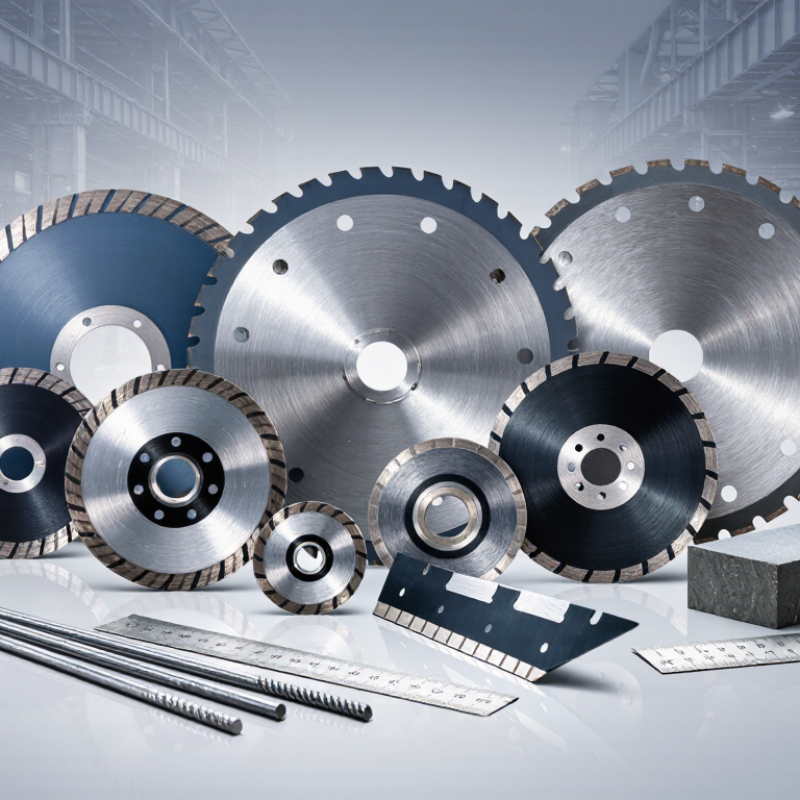
Cutting blades are precision tools designed to slice, slit, trim, or shear materials. They may process paper, film, textiles, food packaging, rubber, or metal sheets. Their performance depends on edge geometry, hardness, surface finish, and dimensional accuracy. A sharp blade is not always the best blade. The correct design must match the material, machine speed, pressure, and expected service life.
China has become a major manufacturing hub because its supply chain covers steel processing, heat treatment, grinding, coating, and precision machining. Many factories can produce both standard and custom blades. Dense industrial clusters also reduce tooling, transport, and production costs. Export experience has encouraged better packaging, documentation, and quality control. Still, capability varies widely.
A practical supplier review should examine material certificates, hardness data, edge runout, burr control, and batch consistency. Small defects matter. A rough edge can create dust, uneven cuts, material waste, or unexpected machine downtime. Sample testing remains essential, even when a factory provides attractive specifications. Ask for inspection records, tolerance ranges, and traceability details. Low prices can hide shorter service life or unstable quality. This is where buyers need patience and honest comparison. No manufacturer is perfect, and even a strong production line may require adjustment for a new material or machine.
China Top 10 Cutting Blades Manufacturers?
Ranking China’s top cutting blade manufacturers requires more than comparing prices or factory photos. A reliable assessment begins with blade purpose, material, edge design, and expected service life. Review whether the manufacturer produces blades for your specific material, thickness, speed, and cutting environment. Ask for technical drawings, tolerance data, and recent inspection records. Strong manufacturers explain their process clearly, from steel selection and heat treatment to grinding and coating.
A useful ranking model can score product consistency, engineering support, production capacity, delivery performance, and after-sales response. Request samples from several manufacturers and test them under identical conditions. Measure edge retention, vibration, cutting accuracy, burr formation, and replacement frequency. Check whether batch records match the delivered products. Certifications can support credibility, but they should not replace practical testing. No scoring model is perfect. A supplier with excellent machinery may still fail to communicate during urgent changes.
Tips: Visit the facility when possible. Observe storage conditions, measuring equipment, and final inspection steps. Ask how rejected blades are recorded and corrected. Compare at least three sample batches, not just one. Keep written specifications and approval criteria. A low quotation may hide unstable tolerances, weak packaging, or limited technical support. Look for evidence, not confident claims.
China’s cutting blade sector includes ten notable manufacturers serving packaging, paper, food processing, metalworking, and recycling applications. One profile focuses on precision slitting blades for flexible packaging. Another specializes in circular knives for paper and film. A third supplies carbide-tipped blades for longer service life. Other manufacturers develop guillotine blades, perforation knives, shear blades, and custom industrial edges.
Their strengths vary. Some operate advanced CNC grinding lines and inspect edges with optical equipment. Others offer heat treatment, surface finishing, or small-batch customization.
Experienced buyers should examine steel grades, hardness reports, edge tolerances, and replacement consistency. A reliable supplier should explain testing methods clearly. It should also provide samples before large orders. Production photographs help, but verified inspection records matter more.
Tips: Compare actual blade performance, not only quoted prices. Ask about burr control, coating options, packaging, and delivery history. Confirm drawings carefully. A small dimensional error can damage material or interrupt a production line. In my experience, communication speed often predicts project reliability, although it is not a perfect measure. Some suppliers describe themselves as highly precise, yet their sample documentation may remain incomplete. That deserves a second review. Ten strong profiles can guide sourcing, but factory audits and practical trials still provide the most dependable evidence.
Selecting a cutting blade starts with the material, not the catalogue image. Tungsten carbide handles abrasive sheets, laminates, and dense wood with strong wear resistance. High-speed steel offers toughness for metal slitting and repeated sharpening. Ceramic blades resist corrosion and keep a sharp edge in selected food and medical packaging processes. Diamond-coated blades suit glass, stone, composites, and other highly abrasive materials. No material wins everywhere.
Blade geometry matters just as much. Circular blades support continuous production lines, while straight blades work well in guillotines and precision trimming equipment. Band blades follow curved cutting paths in timber and meat processing. Slitting blades create narrow, clean cuts in film, foil, paper, and nonwoven materials. For recycling operations, thicker tooth profiles can tolerate impact, but they may leave rougher edges.
When comparing Chinese manufacturers, buyers should request hardness data, dimensional tolerances, coating details, runout measurements, and batch traceability. Practical testing remains essential. A blade that performs well on stainless steel may fail quickly on abrasive composite board. I have seen low prices become expensive after unstable edges caused production waste. That lesson is easy to overlook. Sample trials, maintenance feedback, and application-specific advice usually reveal more than a polished specification sheet. Availability of custom grinding is useful, but it should not replace verified quality control.
Choosing a Chinese cutting blade manufacturer requires more than comparing prices or browsing attractive catalogs. Match the factory to your material, machine speed, blade diameter, and cutting volume. A blade for cardboard needs different tooth geometry from one used on stainless steel, film, or wood.
Request technical details before ordering. Check the steel grade, hardness range, coating type, edge tolerance, and balancing method. Ask for inspection records and batch traceability. A reliable manufacturer should explain how it controls runout, tooth spacing, and sharpening quality. However, documents are not enough. Send your actual material for sample testing. Examine burrs, heat discoloration, vibration, cutting noise, and edge life after repeated use.
Visit the production site when possible, or arrange a video audit. Look for calibrated measuring tools, clean storage, documented quality checks, and operators who can answer practical questions. Confirm minimum order quantities, replacement policies, packaging, lead times, and export paperwork in writing. Small details matter.
Do not choose on price alone. A cheaper blade may create more waste and machine downtime. I would also avoid accepting broad claims such as “premium quality” without test data. This is where many sourcing decisions become rushed. Even experienced buyers can overlook how humidity, storage, or machine alignment affects performance. Start with a controlled trial, record the results, and revise the specification before placing a larger order.