Pawsome-Specializing in vet health products since 2015

Choosing a cutting blade is rarely as simple as comparing prices. A blade that slices packaging cleanly may be unsuitable for dense metal, wood, or food processing. Material, edge geometry, heat treatment, coating, and production volume all affect performance. So does the machine holding it. Small differences matter: a rough edge, excess vibration, or uneven wear can spoil a finished cut.
Frederick Winslow Taylor, an industrial engineer known for his metal-cutting research, wrote, “In the past the man has been first; in the future the system must be first.” His words offer a useful lens for evaluating blade makers. Reliable results depend on more than sharpness; they require consistent materials, controlled production, and testing under real working conditions. This guide examines ten manufacturers worldwide, looking at product range, application expertise, quality practices, and support for customers. It aims to help buyers ask better questions, not promise one universal winner.
No ranking is perfect. Different jobs demand different blades, and manufacturers do not always publish comparable test data. A polished catalogue is not proof of long service life. Look for clear specifications, application guidance, and evidence that matches your own materials and operating conditions. A practical trial may reveal what a brochure cannot. Some details will still be hard to compare. That deserves attention, not guesswork.
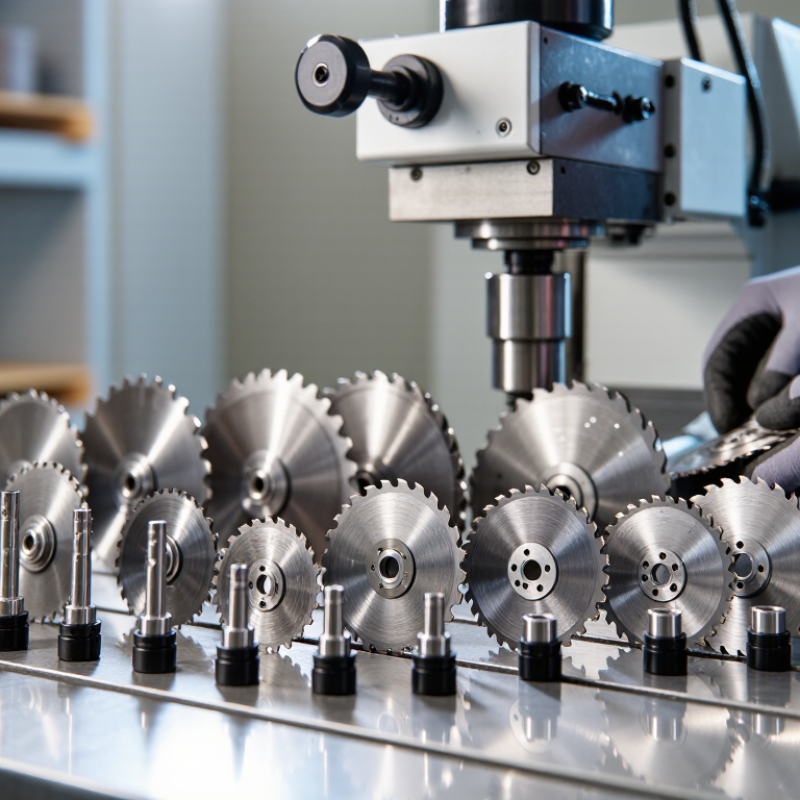
Cutting blades are commonly classified by the material used at the edge and the work they perform. High-carbon steel is relatively easy to sharpen and suits many general-purpose cutting tasks. Tool steel offers greater wear resistance for repeated industrial use. Carbide-tipped blades can keep an edge longer when cutting dense or abrasive stock, but they may chip under impact. Ceramic and diamond materials serve more specialized conditions, such as precision slitting or processing highly abrasive materials. No material wins everywhere.
Application matters just as much. Paper converting often calls for a clean, consistent edge that limits tearing. Food-processing blades need suitable corrosion resistance and smooth, cleanable surfaces. In woodworking, tooth shape and blade stiffness influence cut quality through hardwood or sheet material. Packaging lines may use thin slitting blades to separate film or corrugated board at speed. Metal cutting demands careful attention to heat, hardness, and the workpiece itself. Small details matter.
A blade’s geometry, coating, and operating speed can change performance as much as its base material. A harder edge may last longer, yet become less forgiving if misaligned. That trade-off is easy to underestimate. Classification is useful, but real cutting conditions often blur the categories: thickness, feed rate, maintenance, and even dust can affect results. Choosing by material alone is rarely enough.
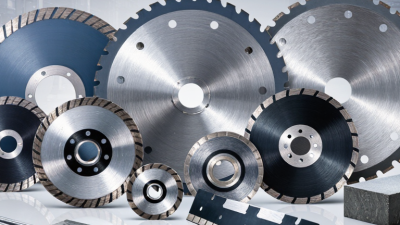
This illustrative chart compares common blade materials by the number of representative application groups listed: tool and alloy steel (5), tungsten carbide (4), stainless steel (3), ceramic (3), and diamond (3). These counts summarize examples, not market share, sales, or a universal ranking.
Typical uses include woodworking and metalworking for tool steel and carbide; food processing for stainless steel; film, fiber, and paper converting for ceramic blades; and stone, glass, and composite cutting for diamond blades. The best material depends on the workpiece, cutting method, edge-life requirements, and operating conditions.
Cutting blades work across metal fabrication, food processing, packaging, textiles, and construction. Their job varies: a band blade follows a curve through steel stock, while a slitter trims wide paper rolls into narrow widths. In food plants, sharp, cleanable blades help produce even slices and reduce tearing. The right blade depends on the material, thickness, machine speed, and required edge quality.
Demand in these industries reflects the scale of production. World Steel Association’s World Steel in Figures 2024 reports 1,892.2 million tonnes of crude steel produced worldwide in 2023. That volume supports extensive cutting work in fabrication and construction. FAO’s 2023 Forest Products report puts global paper and paperboard production at about 401 million tonnes in 2022, much of it converted into packaging and other products. These figures describe the industries, not blade sales. Still, they show why blade durability and accurate maintenance matter. A small alignment error can leave rough edges or waste material.
Tips: Match tooth pitch to material thickness. Check blade tension and alignment before production. Record sharpening intervals, but adjust them when heat, noise, or cut quality changes. A schedule helps, though it is not a substitute for inspection.
A useful comparison starts with the blade’s job: material, thickness, cutting speed, and expected service life. Check dimensional tolerances, edge consistency, and steel or carbide traceability. Ask for inspection records and test a sample on your own material. A clean cut on paper proves little. Watch for burrs, heat discoloration, and edge wear after repeated passes.
Grand View Research estimated the broader global cutting-tools market at USD 23.74 billion in 2023. Its market report is not blade-specific, but it reflects the scale of demand for dependable cutting performance.
Manufacturing control matters as much as the stated blade specification. Evaluate heat-treatment consistency, coating options, batch-to-batch variation, and documented quality checks. Request evidence, not just claims. Compare lead times, minimum order quantities, customization support, and replacement availability. A lower purchase price can become costly if blades need frequent changes or create scrap. No scorecard is perfect; a short production trial may reveal issues that certificates cannot.
Tips: Use the same machine, material, and cutting settings for every sample. Record cuts per blade, surface finish, and downtime. Keep the results—even an imperfect trial gives your team a better basis for comparison.
Grand View Research valued the global cutting tools market at USD 24.35 billion in 2023, projecting 6.4% annual growth through 2030. Its category is broader than cutting blades alone, so the figure offers context, not a blade-market estimate. World Steel Association reported 1,882.6 million tonnes of crude steel production in 2024, underscoring the scale of metalworking demand. That link is useful, but not exact: blade purchases also depend on material waste, machine speed, and replacement intervals.
Presented by specialty rather than company name, these ten profiles show how leading manufacturers serve distinct needs worldwide. One develops circular blades for high-volume metal cutting, with tooth geometry tuned to feed speed. Another focuses on bandsaw blades for workshops handling thick stock. A carbide specialist prioritizes wear resistance. A diamond-blade producer serves hard, abrasive materials. A food-processing supplier designs hygienic blades for frequent washdowns. Built for long shifts. A paper-converting manufacturer targets clean cuts across wide rolls. A woodworking specialist balances cut quality against chip removal. A slitting-blade maker supplies narrow, consistent edges for sheet processing. A coatings-focused producer seeks longer tool life under heat. A precision-service manufacturer pairs blades with sharpening and fit guidance. That service matters. Yet comparisons can be imperfect: suppliers may report durability under different materials and test conditions. A neat lifespan figure rarely tells the whole story.
Choosing a blade manufacturer starts with the material, cut, and operating conditions—not a catalog photograph. Specify what you cut, its thickness, hardness, and whether the line runs continuously. Then compare blade material, tooth or edge geometry, coating, and sharpening options. A supplier should explain how these choices affect heat, burrs, cut quality, and service life. Ask for documented test results using material and speeds close to yours. A neat sample cut is useful, but repeatability over a full shift matters more.
The 2024 Grand View Research Cutting Tools Market report values the global market at USD 23.31 billion in 2023. This broad category includes tools beyond blades, so the figure signals industry scale, not proof of a particular supplier’s performance. Request dimensional tolerances, inspection methods, and a clear process for investigating failures. For food, packaging, or metalworking lines, also verify that the proposed blade suits the machine and contact conditions. A catalog match can still disappoint. Small details matter.
Tips: Send a real sample or detailed drawing, then run a controlled trial. Record cut quality, changeover time, blade life, and waste. Ask the manufacturer to explain any trade-off, such as longer life versus a cleaner edge. If results vary, revisit the test setup before blaming the blade.
An illustrative comparison of common cutting-blade supplier specialties, not a verified ranking or a directory of named companies. Capabilities vary by supplier; confirm specifications and certifications directly.
| Supplier Profile | Typical Blade Speciality | Common Materials | Suitable Applications | What to Check Before Ordering | Best Fit |
|---|---|---|---|---|---|
| 1. Circular saw blade specialist | Circular blades with varied tooth geometry and kerf options | Hardened steel; carbide-tipped designs are common | Wood, panels, plastics, and some non-ferrous metals, depending on blade design | Blade diameter, bore, kerf, tooth count, material, machine speed, and cut finish | Production shops needing repeatable straight cuts |
| 2. Band saw blade specialist | Welded loop blades in different widths, tooth pitches, and constructions | Carbon steel; bi-metal and carbide-tipped options are available in the market | Metal stock, timber, frozen food, and other materials with suitable blade selection | Machine length, blade width, tooth pitch, workpiece dimensions, and cutting speed | Facilities cutting bars, billets, logs, or large workpieces |
| 3. Industrial knife-blade specialist | Straight, circular, serrated, and custom-profile machine knives | Tool steel and stainless steel grades selected for the application | Converting, packaging, recycling, textiles, and industrial processing | Drawing tolerances, steel grade, hardness, edge geometry, and regrinding service | Operations requiring application-specific machine knives |
| 4. Carbide-tipped blade specialist | Blades using cemented-carbide cutting tips for wear resistance | Carbide tips brazed or otherwise attached to a steel body | Abrasive wood products, composites, plastics, and selected metal-cutting tasks | Workpiece abrasiveness, carbide grade, tip geometry, operating speed, and sharpening options | Users seeking longer edge life in demanding cutting conditions |
| 5. Diamond blade specialist | Segmented, continuous-rim, and other diamond-abrasive blades | Diamond abrasive bonded to a metal blade body | Concrete, masonry, stone, tile, and ceramics, subject to blade specification | Material hardness, wet or dry cutting, blade diameter, arbor size, and tool speed rating | Construction and stone-cutting users selecting blades by substrate |
| 6. Slitting and shear-knife specialist | Rotary slitter knives, spacers, and shear blades for web or sheet processing | Hardened tool steel and other specified industrial knife steels | Paper, film, foil, nonwovens, and metal strip processing | Knife dimensions, runout, edge profile, hardness, material thickness, and machine setup | Converting lines where cut consistency and alignment are critical |
| 7. Food-processing blade specialist | Slicing, dicing, chopping, and portioning blades for food equipment | Food-contact-appropriate stainless steel grades, as specified for the equipment and process | Meat, poultry, seafood, produce, and bakery processing | Machine compatibility, cleanability, corrosion resistance, edge finish, and applicable food-contact requirements | Food plants prioritizing hygiene, maintenance, and dependable fit |
| 8. Paper and converting knife specialist | Slitter, perforating, guillotine, and rotary knives | Tool steel and corrosion-resistant steel options, depending on use | Paper, cardboard, labels, packaging, and flexible materials | Machine model, blade profile, edge finish, cutting speed, and required cut quality | Converters needing replacement knives or made-to-drawing parts |
| 9. Woodworking blade specialist | Saw blades, planer knives, chipper knives, and related tooling | Tool steel and carbide-tipped constructions | Solid wood, plywood, MDF, and other wood-based panels | Wood type, panel coatings, cut direction, machine compatibility, and sharpening support | Sawmills, furniture makers, and panel-processing shops |
| 10. Custom OEM blade manufacturer | Made-to-specification blades and replacement parts produced from drawings or samples | Material selected to suit the application, such as tool steel, stainless steel, or carbide-bearing designs | Special-purpose machinery and processes not served by standard catalog sizes | Engineering support, drawing review, tolerances, sample approval, batch size, and inspection records | Buyers with unique equipment, nonstandard dimensions, or recurring OEM requirements |