Top Drill Tool Manufacturers and Suppliers Worldwide
The global Drill Tool market is becoming more specialized, competitive, and difficult to evaluate. Mining, construction, oil and gas, geothermal energy, and infrastructure projects require different cutting geometries, materials, and support services. A tool designed for hard granite may perform poorly in abrasive sandstone. Small design differences can change drilling speed, vibration, tool life, and operating costs.
Grand View Research estimates that the global drilling tools market will continue expanding through 2030, supported by mineral exploration, construction investment, and energy development. MarketsandMarkets also projects steady growth, driven by demand for rotary drilling, down-the-hole systems, and advanced carbide components. However, market figures differ because research firms classify drilling tools differently. That limitation deserves attention.
Performance matters more than catalog size.
Dr. William C. Maurer, a respected drilling researcher, described the drill bit as “the business end of the drilling system.” His observation remains practical today. Manufacturers must balance penetration rate, durability, cooling, maintenance, and environmental conditions. Suppliers must also provide reliable technical support, replacement parts, and transparent specifications.
This guide examines leading Drill Tool manufacturers and suppliers worldwide. It considers product range, manufacturing capability, geographic reach, certifications, engineering expertise, and customer support. Public company information and established industry reports provide the foundation, but supplier claims still require careful verification. A polished website is not proof of field performance. Real projects are messier. Rock conditions vary, operators improvise, and even a premium tool can fail when selected poorly.
Types of Drill Tools and Their Industrial Applications
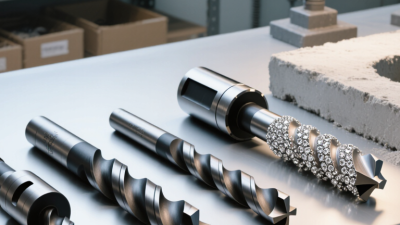
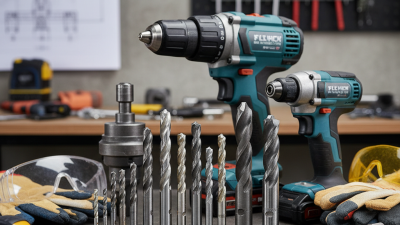
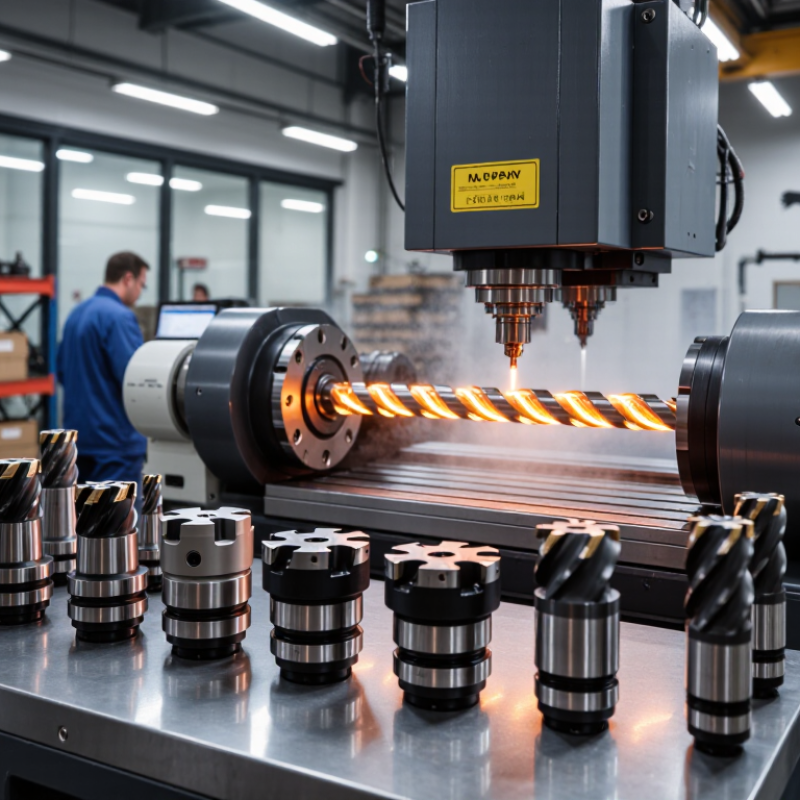
Drill tools vary by material, speed, and required hole quality. Twist drills suit general metalworking and maintenance. Carbide drills handle hardened alloys and abrasive composites. Masonry bits use carbide tips for concrete, brick, and stone. Core drills produce larger, cleaner openings in construction. Down-the-hole hammers and rotary cutters serve mining and quarrying. Oilfield operations use specialized roller-cone and fixed-cutter tools for deep formations.
Industrial demand creates demanding conditions. The U.S. Geological Survey estimated global cement production at about 4.1 billion metric tons in 2023. That volume supports continuous drilling for anchors, pipelines, foundations, and utility routes. The World Steel Association reported approximately 1.89 billion tonnes of crude steel production in 2023. Steel plants therefore require reliable drilling for fabrication, repair, and equipment installation. A tool that works well in mild steel may fail quickly in stainless steel. Real sites are messier than catalogs.
Tips:
Match the cutting edge to the workpiece. Check spindle speed and feed before drilling. Use coolant when heat threatens tool life. Inspect chips, vibration, and hole walls during operation. Replace worn tools early. It is not always cheaper. In mining, vibration often reveals poor alignment before visible damage appears. In workshops, operators sometimes blame the drill when the fixture is unstable. That judgment deserves review. Record tool life by material, diameter, machine, and cutting conditions, then adjust from measured results rather than assumptions.
Key Criteria for Evaluating Drill Tool Manufacturers
Top Drill Tool Manufacturers and Suppliers Worldwide
Evaluating drill tool manufacturers requires more than comparing catalog prices. Start with material quality, edge geometry, coating consistency, and production tolerances. A reliable supplier should explain how each batch is tested. Ask for inspection records, dimensional reports, and material certificates. These documents reveal whether quality is controlled or simply promised.
Practical experience matters. Test samples on your actual material, speed, and feed settings. Watch for excessive heat, wandering holes, chipped edges, or uneven wear. Check the tool’s runout with suitable measuring equipment. Small deviations can create large problems in automated production. Supplier expertise also appears in technical support. Can their engineers recommend the correct point angle? Do they respond with useful data rather than vague claims? Delivery reliability, packaging, replacement policies, and production capacity deserve equal attention. A low price may hide inconsistent batches. However, expensive tools are not automatically better.
Tips: Request a small trial order. Compare hole accuracy, tool life, and surface finish. Review customer references from similar industries. Confirm traceability and testing methods before signing a long-term agreement. Be cautious with perfect promises. No manufacturer performs flawlessly in every application. Our evaluation methods can also miss issues when testing conditions are too narrow. Recheck results across different materials and operators. That extra step often exposes weaknesses early.
Leading Drill Tool Manufacturers by Global Region
Top Drill Tool Manufacturers and Suppliers Worldwide
Leading drill tool manufacturers vary by region, shaped by local industries, materials, and service expectations. In North America, established producers often support mining, construction, and energy projects with rugged tools and responsive field service. European manufacturers commonly focus on precision machining, wear resistance, and documented quality control. Their catalogs may include carbide inserts, rock bits, and specialized drilling systems for demanding ground conditions.
East Asian suppliers combine advanced production lines with broad capacity and competitive lead times. Many offer custom dimensions, coating options, and batch testing for industrial buyers. South Asian manufacturers often serve infrastructure, quarrying, and water-well applications, where practical pricing and repair access matter. In the Middle East, suppliers usually emphasize heat tolerance, dust protection, and regional distribution. Latin American producers understand hard-rock conditions and the need for durable tools at remote sites.
A reliable purchasing review should examine steel composition, tooth geometry, operating pressure, and expected service life. Ask for inspection records and traceability documents. Request a sample when ground conditions are uncertain. No regional market is perfect. A polished catalog cannot replace field evidence. I have seen low-cost tools perform well in soft formations, then fail quickly in abrasive rock. Buyers should compare cost per drilled meter, not only the purchase price. Local stock, technical advice, and replacement availability can prevent expensive downtime. Dialogue with operators often reveals weaknesses that specifications hide.
Top Drill Tool Manufacturers and Suppliers Worldwide
Leading Drill Tool Manufacturing and Supply Activity by Global Region
Asia-Pacific represents the largest regional concentration of drill tool manufacturing and supply activity, followed by Europe and North America. The percentages are rounded regional estimates based on the geographic distribution of industrial, mining, construction, and energy-related drilling demand and production capacity.
Major Drill Tool Suppliers and Distribution Networks
Top Drill Tool Manufacturers and Suppliers Worldwide
Major Drill Tool Suppliers and Distribution Networks
Major drill tool suppliers rarely succeed through products alone. Their distribution networks determine availability, response time, and service quality. Reliable suppliers usually combine regional warehouses, trained distributors, and direct technical support. This structure helps contractors receive the correct tools before a project loses momentum.
A strong network keeps common drill bits, holders, and accessories in local stock. It also provides clear lead-time information for less common specifications. Buyers should examine inventory accuracy, delivery records, packaging quality, and return procedures. A trial order can reveal more than a polished catalog. Check the box condition, labeling, and dimensional consistency when it arrives.
Technical expertise matters during tool selection. Suppliers should explain material compatibility, operating limits, maintenance needs, and expected service life. Good documentation supports safer and more consistent work. However, no distribution network is flawless. Delays can occur during seasonal demand, customs processing, or regional transport disruptions. Some evaluations still focus too heavily on price. That approach can overlook downtime, replacement costs, and weak after-sales assistance. A careful purchasing team should compare total operating value, not only the initial invoice. Supplier performance also deserves regular review, because a dependable warehouse today may not maintain the same standards next year.
Industry Trends Shaping the Global Drill Tool Market
Top Drill Tool Manufacturers and Suppliers Worldwide
Industry Trends Shaping the Global Drill Tool Market
The global drill tool market is shifting from simple cutting performance toward measurable productivity. Mining companies now demand longer bit life, lower vibration, and faster penetration. The IEA’s Global Critical Minerals Outlook 2024 reported nearly 30% growth in lithium demand during 2023. Demand for nickel, cobalt, and graphite also increased. This expansion supports new exploration projects and creates steady demand for mining drill tools.
Digital monitoring is becoming practical, not fashionable. Sensors can track torque, temperature, and wear at the drilling face. Operators then adjust pressure before a tool fails. Deloitte’s Tracking the Trends 2024 highlights automation and data quality as major mining priorities. However, many smaller contractors still lack reliable connectivity. That gap is easy to underestimate. A smart tool cannot improve results when field data remains incomplete.
Tool suppliers are also responding to tighter environmental expectations. Regrinding, replaceable inserts, and recyclable carbide can reduce material waste. The USGS Mineral Commodity Summaries 2024 shows the strategic importance of tungsten in cutting applications. Supply concentration remains a risk, so buyers increasingly review inventory, material traceability, and repair support.
Tips: Compare cost per drilled metre, not purchase price alone. Ask suppliers for field test records, wear measurements, and realistic service intervals. Leave room for doubt; laboratory claims may not match fractured rock, wet formations, or poorly maintained rigs.