Pawsome-Specializing in vet health products since 2015

A Wire Cutter Tool looks simple, but its design controls cutting quality, hand safety, and conductor condition. This article introduces its main parts, working principle, common types, and practical uses. It also explains why jaw shape, cutting angle, handle insulation, and material strength matter.
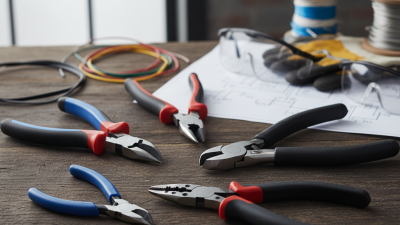
Electrical educator and code expert Mike Holt states, “Use the right tool for the job.” This principle applies directly to wire cutting. A diagonal cutter uses hardened jaws to concentrate force along a narrow cutting edge. When the handles close, the jaws shear copper, aluminum, or other suitable wire materials. The result should be a clean cut, not a crushed or badly flattened end.
Different tasks need different tools. A compact cutter may suit small electronic wires. A heavy-duty model can handle thicker conductors, but it requires greater hand force. Insulated handles can improve grip and reduce accidental contact risks. They do not replace proper electrical isolation or safe work procedures.
Small details matter.
A dull edge can slip. Excessive leverage can damage the hinge. Cutting energized wiring remains dangerous, even with insulated handles. Tool labels and manufacturer limits deserve careful attention. They are easy to overlook.
This guide will keep the explanation practical and evidence-based. It will also acknowledge a common mistake: choosing a cutter by appearance alone. That approach sometimes works, but it is not reliable. Understanding how a Wire Cutter Tool transfers hand pressure into a controlled shear helps users select, inspect, and operate it more responsibly.
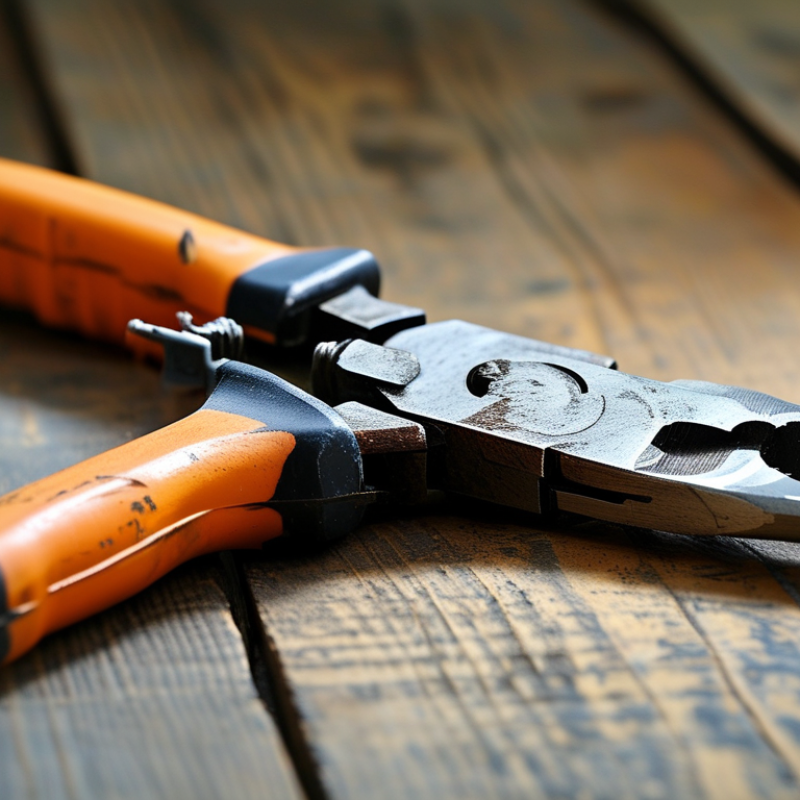
A wire cutter is a hand tool designed to sever electrical, metal, or craft wire cleanly. It usually has two sharpened jaws, a pivot, and handles. When the handles close, the jaws apply concentrated force along a narrow cutting edge. That pressure exceeds the wire’s strength and separates it. The tool does not remove insulation unless it includes a separate stripping feature.
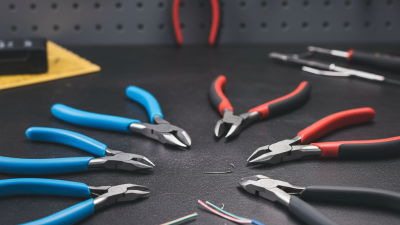
Different cutters suit different materials. Diagonal cutters slice copper conductors, while flush cutters leave a flatter finish on small cable ends. Larger compound cutters can handle thicker wire with less hand force. In my workshop experience, jaw alignment matters as much as sharpness. A loose pivot can crush wire instead of cutting it. That wastes time.
Safety depends on matching the cutter to the job. IEC 60900 covers insulated hand tools for live-working applications, but insulation is not permission to work carelessly. The U.S. Bureau of Labor Statistics recorded about 2.6 million nonfatal workplace injuries and illnesses in private industry during 2023. Wire cutting is only one small task, yet poor tool selection can create flying fragments, sharp ends, or damaged conductors. The Grand View Research hand tools report valued the global market at roughly USD 23 billion in 2023, showing the tool category’s broad industrial use. Still, market growth does not prove quality. I sometimes underestimate small cutters; that is a mistake worth revisiting.
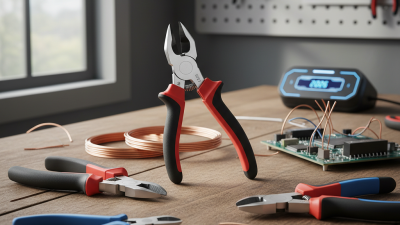
A wire cutter works by turning hand pressure into concentrated cutting force. Its two metal jaws meet around a wire, while a pivot joint guides their movement. When you squeeze the handles, the jaws rotate inward. The sharp edges press against the wire from opposite sides, creating stress until the metal separates.
The handle length affects leverage. Longer handles usually require less hand force, but they may offer less control in tight spaces. The cutter’s jaw shape also matters. Diagonal cutters slice from the side, while end cutters approach the wire from the front. Some tools have narrow jaws for crowded electrical panels. Others use broader edges for thicker conductors.
Use the correct cutter for the wire’s diameter and material. A tool designed for soft copper may wear quickly against hardened wire. Keep the wire fully inside the cutting area, not near the jaw tips. That small detail improves control. Wear eye protection because short wire pieces can spring away unexpectedly. Never cut a wire that may carry electrical current; isolate and verify it first.
I have found that a clean, steady squeeze works better than twisting the handles. Twisting can damage the cutting edges. The result may look acceptable, but repeated damage reduces accuracy. Inspect the pivot and jaws regularly. Rust, looseness, or visible gaps deserve attention. Even experienced users sometimes rush this check, and that is where preventable mistakes begin.
A wire cutter is a hand tool with sharpened jaws that concentrate force along a narrow cutting edge. When the handles are squeezed, the jaws create enough shear stress to cut through a conductor. The chart compares standard copper conductor sizes by American Wire Gauge (AWG). Larger cross-sectional areas generally require more cutting force.
The copper diameters and cross-sectional areas shown are standard AWG values. Wire cutter performance also depends on the blade design, handle leverage, conductor material, and whether the wire is solid or stranded.
A wire cutter is a hand tool designed to sever wire with controlled pressure. Its most important parts are the jaws, cutting edges, pivot joint, handles, and grips. The jaws hold the wire near the cutting line. Their hardened edges meet closely, creating a clean shear rather than a crushing bend. Different jaw shapes suit different wire sizes. Small diagonal jaws reach tight spaces, while heavier jaws handle thicker conductors.
The pivot is the working center. When the handles move, the joint transfers force toward the cutting edges. This lever action lets a user cut wire with less hand effort. The handles provide control and usually include textured, insulated grips. Insulation improves comfort, but it does not prove that a tool is safe for live electrical work. Never rely on appearance alone.
Some cutters include a return spring between the handles. It opens the tool after each cut and reduces repeated finger movement. A handle stop can also protect the user from overextending the joint. In practical use, I check the pivot for looseness and inspect the edges under bright light. A small gap can leave a sharp wire tail. That detail matters. I once focused on cutting speed and ignored jaw alignment; the result was a flattened, uneven end. The tool worked, but not well enough. Clean cuts depend on matching the cutter to the wire, keeping the joint maintained, and applying steady pressure.
| Part or Feature | What It Is | How It Works | Typical Materials | Important Consideration |
|---|---|---|---|---|
| Cutting Jaws | The front section that holds the cutting edges. | The jaws close around a wire and position it between the sharpened edges. | Hardened carbon steel, alloy steel, or forged tool steel. | The jaw shape should match the intended task, such as flush, diagonal, or end cutting. |
| Cutting Edges | The sharpened surfaces located inside the jaws. | They concentrate force along a narrow line, creating shear that separates the wire. | Heat-treated steel with a ground or machined edge. | Dull, chipped, or misaligned edges can crush the wire instead of making a clean cut. |
| Pivot Joint | The rivet, bolt, or joint connecting the two handles and jaws. | It acts as a fulcrum, converting handle movement into jaw movement and increasing mechanical advantage. | Steel rivet, hardened pin, or adjustable bolt. | A clean, properly adjusted pivot helps the tool operate smoothly and keeps the edges aligned. |
| Handles | The two levers held by the user. | Squeezing the handles transfers hand force through the pivot to close the jaws. | Forged or stamped steel, often covered with plastic or elastomer grips. | Longer handles generally provide greater leverage, while shorter handles offer improved control in confined spaces. |
| Grip Covers | Protective coverings fitted over the handle surfaces. | They improve comfort, friction, and handling during repeated cutting. | PVC, thermoplastic rubber, nylon, or other insulating polymers. | A grip cover is not automatically rated for electrical protection; only properly rated insulated tools should be used for electrical work. |
| Return Spring | A spring fitted between or inside the handles on some models. | It reopens the handles after the cutting force is released, allowing faster repeated cuts. | Spring steel or stainless steel. | A damaged or weak spring can reduce operating speed and user comfort. |
| Handle Stop or Lock | A stop limits handle travel, while a lock may hold the tool closed. | The feature controls storage position or prevents the handles from opening unexpectedly. | Steel, stainless steel, or durable polymer. | Not every wire cutter includes a stop or locking mechanism. |
| Wire Cutter Body | The connected frame formed by the jaws, pivot area, and handles. | It carries cutting loads and keeps the moving components positioned correctly. | Forged steel is common for heavy-duty tools; stamped steel may be used for lighter applications. | The body must be strong enough for the wire size and material being cut. |
| Mechanical Action | The combined lever-and-shear process used to cut wire. | Hand force moves the handles; the pivot multiplies that force; the edges apply opposing forces until the wire shears. | Depends on the tool design, jaw geometry, and steel hardness. | Cutting capacity varies by wire diameter, material, hardness, and cutter design. |
| Common Wire Types | Conductors and mechanical wires that may be cut with an appropriate tool. | The cutter separates the wire without requiring sawing or abrasive action. | Copper, aluminum, steel, stainless steel, and some coated wires. | Always verify the tool's rated capacity; piano wire, hardened wire, and cable may require specialized cutters. |
| Safe Use | Basic practices for using and maintaining a wire cutter. | Position the wire fully in the cutting area, keep fingers away from the jaws, and apply controlled pressure. | Protective eyewear and suitable hand protection may be required. | Never cut an energized wire unless using a tool and procedure specifically approved for that electrical task. |
What Types of Wire Cutters Are Available?
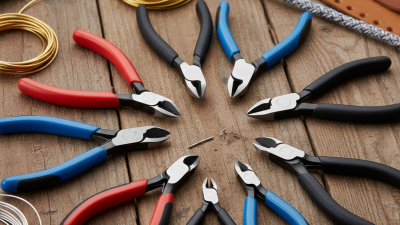
Wire cutters use a pivot and two hardened jaws to multiply hand pressure. Their design determines the wire size, cut shape, and required effort. Diagonal cutters are common for copper and aluminum conductors. Their angled jaws reach tight spaces and create a slanted cut.
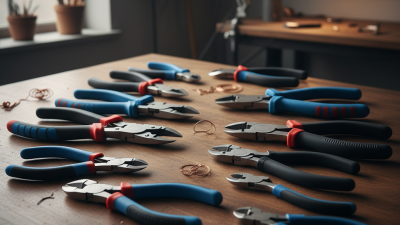
End-cutting nippers cut wire close to a flat surface. Flush cutters leave a cleaner edge, although their thin blades may wear faster. Cable cutters use rounded jaws and work better on flexible, multi-strand cable. They reduce crushing and preserve the cable’s shape. Bolt cutters handle thick, hard wire, but they are heavier and less precise. Insulated cutters are designed for electrical work and should meet IEC 60900 requirements. Insulation is not permission to work on energized circuits.
Market data also shows why tool selection matters. Grand View Research estimated the global hand tools market at about 25 billion dollars in 2023. The report projects continued growth through 2030, supported by construction, maintenance, and electrical work. That growth includes many cutting tools, but it does not make every cutter suitable for every wire. A small mistake can damage strands or leave a dangerously sharp end.
Tips: Match the cutter to the wire material and diameter. Check the tool’s rated capacity before cutting. Keep fingers behind the jaws. Wipe the blades after use and inspect for chips, looseness, or rust. I sometimes prefer a slightly slower cut because speed can hide poor alignment. No cutter is perfect. Test the result visually and by touch, when safe.
A wire cutter is a hand tool designed to sever metal wires with controlled pressure. Its jaws use a wedge-shaped cutting edge, while the handles increase force through leverage. Different cutters suit different wire sizes, so the tool should match the wire’s diameter and material. Using an undersized cutter can damage the edges or cause the wire to spring away.
Safe use begins with preparation. Disconnect electrical power before touching any wire. Confirm this with an appropriate tester, because switches can fail. Wear safety glasses and keep your face away from the cutting area. Hold the wire firmly, but do not place fingers near the jaws. Make a straight cut with steady pressure. Never twist the tool sideways or use it as a hammer. It may feel quicker, but that habit can deform the cutting edges. Cut away from your body.
Maintenance is simple but important. Wipe the jaws after use, especially when dust or moisture is present. Add a small amount of light oil to the pivot when movement feels stiff. Check the handles for cracks and inspect the cutting edges for chips or gaps. A dull cutter requires more force and may crush the wire instead of cutting cleanly. Replace damaged tools rather than forcing them back into service. I sometimes focus too much on finishing quickly, yet a ten-second inspection prevents many avoidable mistakes. Keep the cutter closed and stored in a dry place.