What is Cutting Wire and How to Choose the Right Type?
Cutting Wire is a crucial tool in various industries, especially in manufacturing and packaging. It is utilized for cutting materials such as foam, rubber, and several types of plastics. According to a recent report by MarketsandMarkets, the global cutting wire market is projected to grow at a significant rate over the next few years. This growth highlights the increasing demand for precision and efficiency in various applications.
Choosing the right type of Cutting Wire can significantly impact production quality and efficiency. Factors like wire material, thickness, and intended use must be considered. A misjudgment in selection may lead to increased costs and production delays. For instance, using a wire that is too thick for a delicate foam can cause unnecessary damage and waste.
In a rapidly evolving market, understanding the diverse options available is key. The cutting wire industry offers numerous types, each suited for specific applications. Industry professionals must remain informed about these choices to maximize productivity. Balancing performance with the right selection can be challenging but is essential for optimal results.

What is Cutting Wire?
Cutting wire is a specialized tool used primarily in industries like manufacturing and construction. This tool is designed for precise cuts in various materials such as metals, plastics, and composites. It allows for clean edges, which is crucial in applications where precision matters. Recent reports indicate that the global cutting wire market is poised to grow significantly, reaching an estimated value of $1.5 billion by 2025. This surge is driven by advancements in technology and increasing demand in sectors like electronics.
When selecting cutting wire, consider the material type and application. Different wires cater to diverse needs, from soft metals to hardened steel. A wire with a high tensile strength may be necessary for tougher materials. It's essential to match the wire type with the job to avoid inefficiency and frustration.
Tips: Examine the wire’s diameter and flexibility. A thicker wire offers more durability, while a thinner wire allows for intricate cuts. Pay attention to the coating, as some wires are built to resist corrosion, which enhances their longevity. Always test the wire on scrap materials before proceeding with your main project to ensure the cut quality meets your standards.
What is Cutting Wire and How to Choose the Right Type?
| Type of Cutting Wire |
Material |
Diameter (mm) |
Application |
Strength (MPa) |
| Stainless Steel |
Stainless Steel |
0.25 |
Precision Cutting |
500 |
| Nickel-Plated |
Copper |
0.4 |
Electrical Applications |
350 |
| Polyester Coated |
Steel Wire |
0.3 |
General Purpose |
400 |
| Tungsten Wire |
Tungsten |
0.2 |
High-Temperature Cutting |
1000 |
| Carbon Wire |
Carbon Steel |
0.5 |
Rugged Applications |
450 |
Types of Cutting Wire Materials
Cutting wire is essential in various industries, including manufacturing and crafts. The choice of materials for cutting wire significantly impacts the quality and efficiency of cutting tasks. Several types of materials are commonly used, each with unique benefits and drawbacks.
Steel cutting wire is popular for its durability and strength. It holds up well under tension, making it ideal for heavy-duty applications. However, it can be prone to rust if not properly maintained. Another option is aluminum wire, which is lightweight and flexible. This material is easier to handle but may not have the same longevity as steel.
For specialized applications, tungsten wire is often favored. It can withstand high temperatures, making it suitable for industrial processes. Yet, tungsten wire can be brittle, leading to breakage if stressed improperly. It's crucial to understand the requirements of specific tasks when selecting the right type of cutting wire. In some cases, a material that offers great flexibility might lack the necessary strength, and vice versa.
Factors to Consider When Choosing Cutting Wire
When selecting cutting wire, several factors should be considered to ensure optimal performance. The material of the wire is crucial. Stainless steel, for example, offers durability and resistance to corrosion. On the other hand, copper wires are often more flexible but might not last as long in harsh conditions. Think about what environment the wire will be used in. Will it be in high humidity or exposed to chemicals?
The gauge of the wire matters too. Thinner wires might be easier to manipulate but can break under stress. A thicker gauge provides strength, but it may be less agile. Consider what you need the cutting wire to do. Precision jobs often require fine wire, while heavy-duty tasks need thicker options.
Another important aspect is temperature resistance. If the cutting wire will encounter high heat, selecting a suitable type is crucial. Many users overlook this factor, which can lead to early failure. Lastly, budget constraints are inevitable. Balancing cost with quality ensures you make a wise choice. Reflecting on your specific needs will guide you in the right direction.
Comparative Analysis of Cutting Wire Types
This bar chart presents a performance rating comparison of different types of cutting wires based on various factors such as strength, flexibility, and durability. Selecting the right type of cutting wire depends on the specific application and performance needs.
Applications of Different Cutting Wire Types
When selecting a cutting wire, it's essential to know the various types available. Each type serves unique purposes across different industries. For instance, ceramic cutting wire is popular in the electronics sector. It effectively cuts through delicate materials without causing damage. In contrast, steel cutting wire offers high durability. It is ideal for heavy-duty applications, particularly in construction or metalworking.
Another type worth considering is the nylon cutting wire. This option is lightweight and flexible. It’s commonly used for precision tasks, especially in craft industries. However, one must consider the limitations of each wire type, such as heat resistance and tensile strength. Choosing incorrectly can lead to project inefficiencies.
Reflecting on these choices is crucial. It’s easy to get overwhelmed by the options available. Take time to assess specific project needs. Understanding the characteristics of each cutting wire type can guide you to make better decisions. Analyze where you need strength versus precision. Balancing these needs can provide better outcomes and minimize setbacks.
Maintenance Tips for Cutting Wires
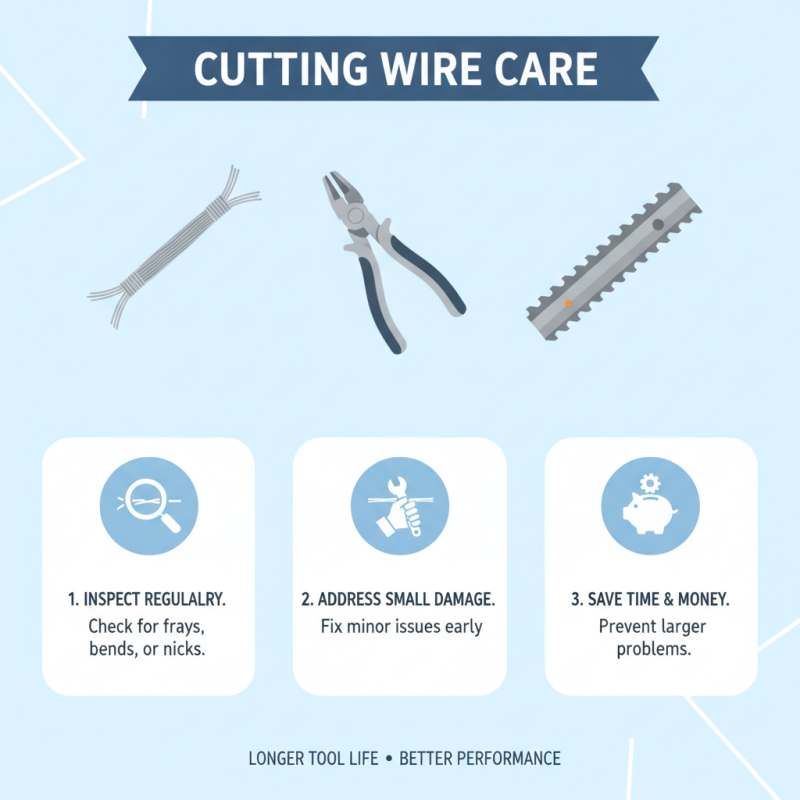
Cutting wires are essential tools in various applications, from crafting to industrial use. Maintaining your cutting wires ensures longevity and performance. Regular inspection is crucial. Check for frays or bends. Often, users overlook small damages, which can lead to larger issues. Tending to these details can save money and time later.
One effective maintenance tip is to clean the wires after use. Dust and debris can accumulate, impacting performance. A soft cloth can remove buildup. Additionally, store the wires in a dry environment. Humidity can cause rust, degrading the wire quality. Some people store them loosely, but this may cause tangling. A simple organization method can prevent disappointment next time you reach for them.
Lubrication is another important aspect. It keeps the cutting mechanism smooth and efficient. A small drop of oil on the joints can do wonders. However, avoid over-lubricating. Too much oil attracts dust, which is counterproductive. There’s a balance to be found here. Keeping a regular maintenance schedule helps track these tasks. Not all users prioritize this, but the results speak volumes. Proper care leads to better performance over time.